Reading Trail Ratings — What Difficulty Levels Actually Mean
You found a trail that looks incredible. The photos are stunning, the reviews are glowing, and it's within driving distance for a weekend run. Then you see it: "Difficulty — 8/10" or "Class 4" or "Black Diamond." What does that actually mean for your rig and your skill level? This guide breaks down the trail ratings you'll encounter, what they mean in plain language, and how to match a trail's difficulty to your vehicle and experience before you commit.
Why Trail Ratings Matter
Trail ratings exist to give drivers a realistic preview of what they're getting into — terrain type, obstacle difficulty, vehicle requirements, and skill demands. The problem is that there's no single universal standard. Different trail systems, apps, and communities use different rating scales, and the same trail can be rated differently depending on who's describing it and what conditions they encountered.
Understanding the most common trail ratings — and knowing their limitations — is the difference between a trail that challenges you in the right way and one that leaves you stranded, damaged, or calling for help.
The Most Common Trail Rating Systems
The Jeep Difficulty Scale (1–10)
The 1–10 Jeep difficulty scale is one of the most widely used systems in the off-road community, particularly in the western United States. Here's what the numbers actually mean:
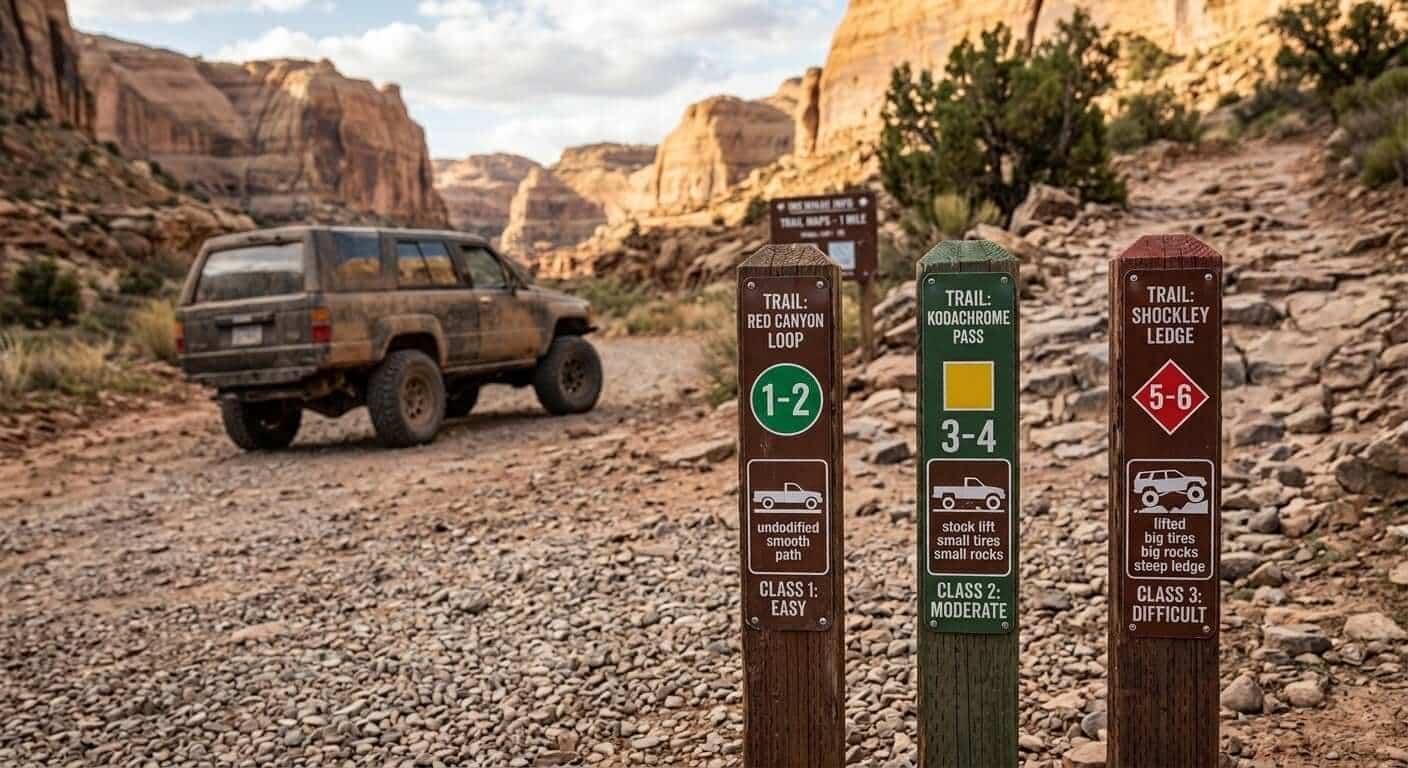
1–2: Easy. Maintained dirt roads and graded gravel. A stock passenger car can handle most of this terrain. No 4WD required. Good for beginners and families getting their first taste of unpaved roads.
3–4: Moderate. Rougher dirt roads, light rocky sections, possible water crossings. A stock truck or SUV with decent ground clearance handles this well. 4WD helpful but not always required. Most stock Jeeps and trucks are comfortable here.
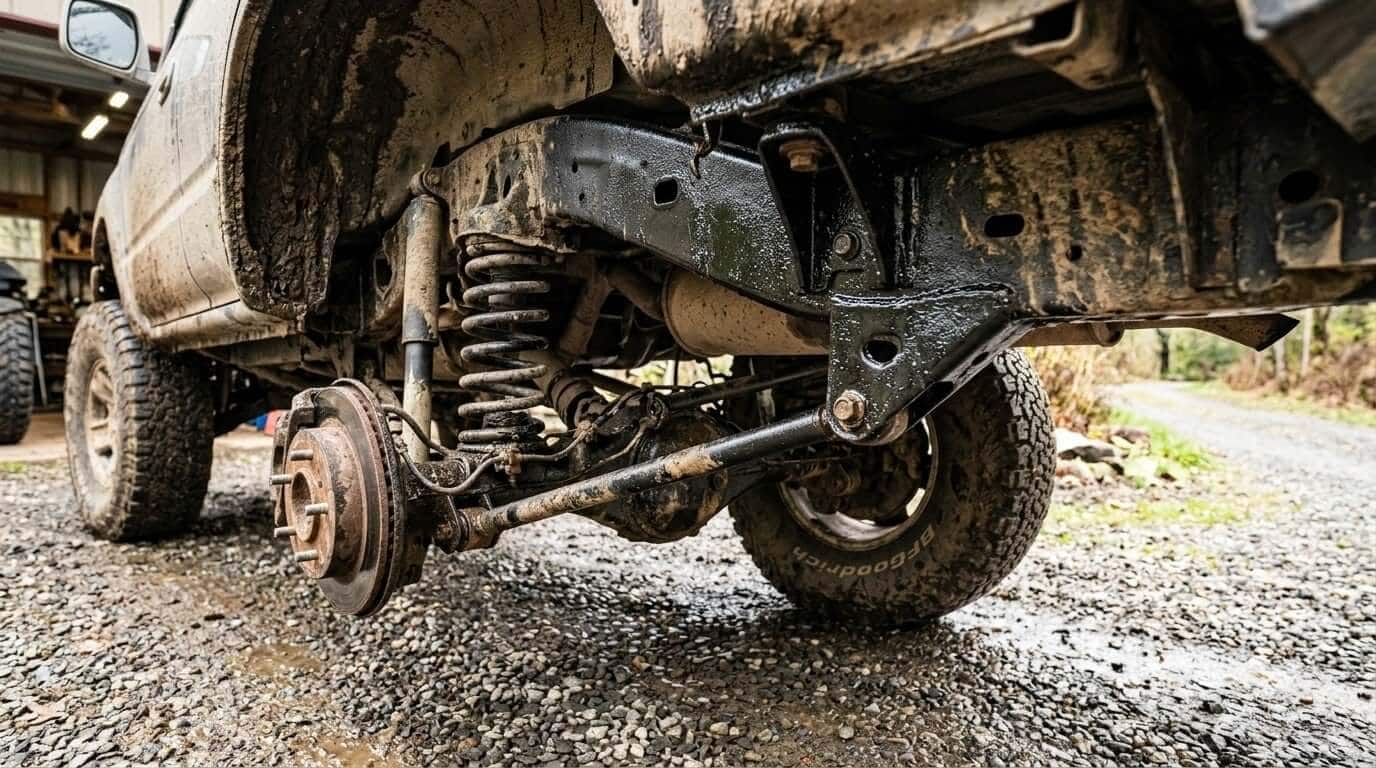
5–6: Difficult. This is where things get real. Expect significant rock sections, off-camber terrain, uneven surfaces, and obstacles that require careful line selection. A lifted vehicle with all-terrain tires is the minimum for comfortable travel. 4WD low range is frequently needed. Skid plates become important protection at this level.
7–8: Very Difficult. Serious rock crawling, large ledges, significant drop-offs, and terrain that demands precision driving and a capable rig. A 3–4 inch lift with 35s, lockers, and skid plate coverage is the starting point for comfortable travel. These trails require real skill — knowing your vehicle's limits and reading terrain accurately are non-negotiable.
9–10: Extreme. Purpose-built rock crawlers and highly modified rigs only. These ratings describe trails that are genuinely dangerous for stock or mildly modified vehicles — large obstacles, near-vertical sections, and terrain where a mistake has serious consequences. Not appropriate for beginners regardless of vehicle capability.
The Tread Lightly! / Recreation.gov System (Easy, Moderate, Difficult, Most Difficult, Impassable)
This five-level system is commonly used for trail ratings on federally managed lands — national forests, BLM areas, and national parks. It's less granular than the 1–10 scale but follows the same general progression:
Easy — Suitable for most high-clearance vehicles. Maintained or minimally maintained roads with gentle grades.
Moderate — High clearance required. Some rough surfaces, mild water crossings, and uneven terrain. 4WD recommended.
Difficult — High clearance and 4WD required. Rocky, uneven terrain with obstacles. Experience and a capable vehicle are necessary.
Most Difficult — Maximum clearance, 4WD, lockers, and experience required. Serious terrain with significant obstacles.
Impassable — Closed or not suitable for motorized travel.
The Rock Crawling Scale (Class 1–5+)
Used primarily by rock crawling clubs and in technical off-road circles, the class system describes rock difficulty specifically:
Class 1–2: Easy to moderate rocky terrain. Most lifted trucks and Jeeps handle this comfortably.
Class 3: Moderate rock crawling. Requires good ground clearance, 4WD, and basic crawling technique. A solid entry point for drivers new to rock work.
Class 4: Difficult rock crawling. Significant obstacles, precise line selection, and a capable rig with lockers. Experience is as important as equipment at this level.
Class 5+: Extreme. Purpose-built vehicles and expert drivers. These ratings describe terrain at the outer limits of what's physically possible in a wheeled vehicle.
Trail App Ratings — OnX Offroad, Gaia GPS, iOverlander
Trail apps have become the primary navigation tool for most overlanders and off-road drivers, and each has its own rating approach:
OnX Offroad rates trails on a 1–5 scale with detailed surface type and clearance information. Their data is generally well-maintained and their vehicle filters help narrow results to trails appropriate for your rig.
Gaia GPS uses difficulty ratings pulled from user submissions and partner data sources — ratings can vary in consistency but the community-sourced notes and photos are often more valuable than the number itself.
iOverlander is community-sourced and oriented toward multi-day overland routes rather than day trails. Ratings reflect overlanding conditions — road surface, remoteness, and camp quality — more than pure technical difficulty.
The important caveat on all app ratings: they reflect conditions at the time of the most recent review, which may be months or years old. Trails change — washouts, fallen trees, erosion, and seasonal conditions can make a 5/10 trail significantly harder or easier than its rating suggests. Always check recent reviews and comments before committing to a trail.
What Trail Ratings Don't Tell You
Ratings are a starting point, not a guarantee. Here's what they often fail to capture:
Conditions change seasonally. A moderate spring trail can become a difficult or impassable one after summer monsoons wash out key sections. Winter adds snow, ice, and frozen mud that changes traction and line options entirely.
Ratings are often based on dry conditions. A trail rated 5/10 in dry summer conditions may feel like a 7/10 after significant rainfall. Factor in recent weather when planning.
Vehicle capability varies enormously within the same rating. A stock Wrangler JL and a fully built JL with lockers, 37s, and long-travel suspension are both "Jeeps" — but they have very different capability envelopes. A trail that's a 6/10 for a stock rig might be a 4/10 for a built one.
Skill matters as much as equipment. A skilled driver in a moderately built rig will outperform a novice in a heavily built one on technical terrain every time. Honest self-assessment of your driving skill is as important as honest assessment of your vehicle's capability.
Matching Your Rig to a Trail Rating
| Trail Rating | Minimum Vehicle Requirement |
|---|---|
| 1–3 / Easy | Stock truck or SUV with reasonable ground clearance |
| 4–5 / Moderate | Lifted truck or Jeep, all-terrain tires, 4WD |
| 6–7 / Difficult | 3–4" lift, 35s, skid plates, lockers beneficial |
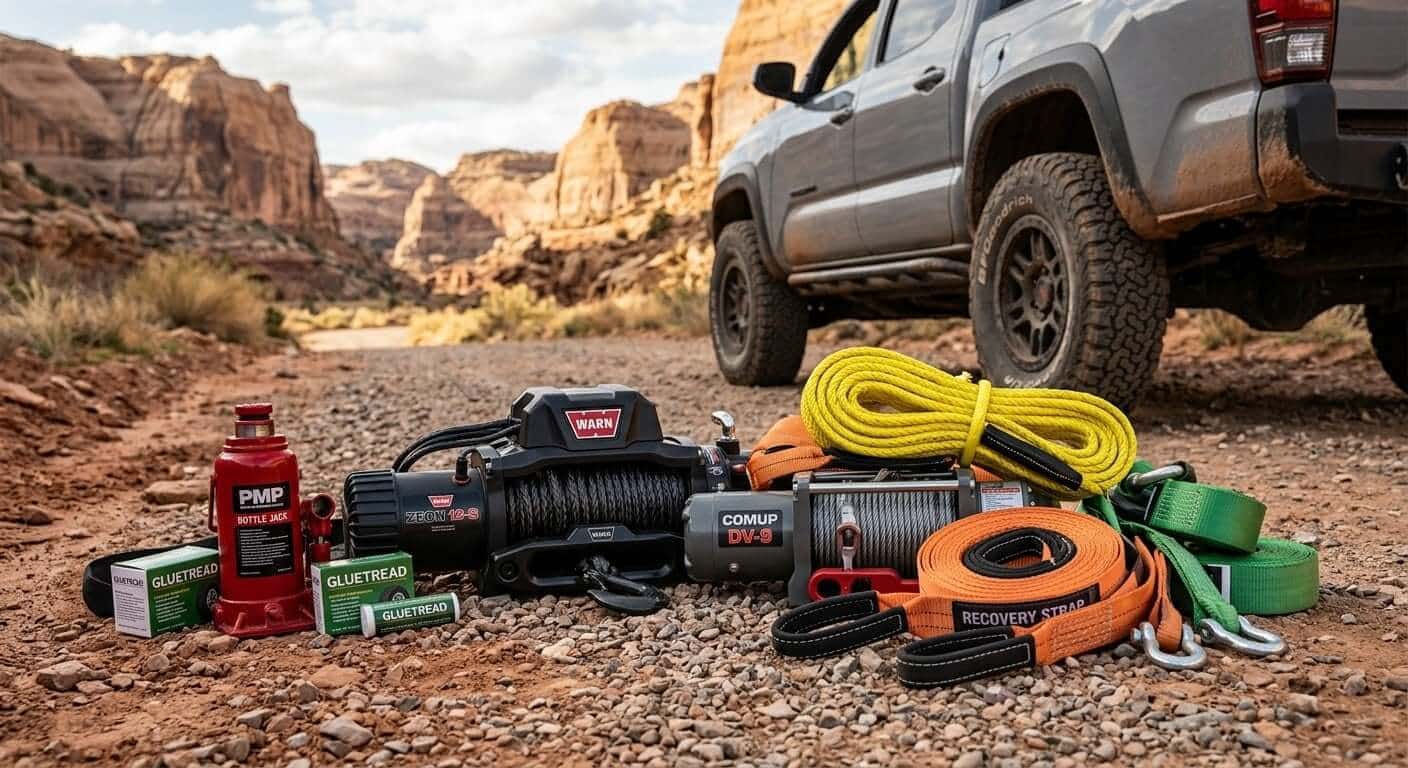
| 8–9 / Very Difficult | Full build — lockers, 35s–37s, skid plates, recovery gear |
| 10 / Extreme | Purpose-built rock crawler, expert driver |
A Note on Knowing Your Limits
The off-road community has a well-earned culture of honesty about vehicle and skill limits. Attempting a trail beyond your capability isn't brave — it's a recovery situation waiting to happen, and in remote terrain a recovery situation can become a safety emergency. Start conservatively, build experience on easier trails, and work your way up as your skills and your rig develop together.
When in doubt, scout on foot before committing your vehicle. A five-minute walk to the next obstacle tells you more than any rating system.
How OK4WD Can Help
Understanding trail ratings is one part of the equation — having the right vehicle capability for the trails you want to run is the other. If you're finding that your current build is holding you back from the trails you want to explore, that's exactly the conversation we have every day at OK4WD.
Whether it's a lift kit that gets you the clearance for moderate terrain, a locker upgrade that opens up technical trails, or a full recovery kit that makes self-sufficiency possible on more remote routes — we'll help you build toward the trails on your list, not just the ones your current setup can handle.
Stop into our Stewartsville location or give us a call.
Bottom Line
Trail ratings are a guide, not a guarantee. Understanding the systems — 1–10 Jeep scale, federal land ratings, the rock crawling class system, and app-based ratings — gives you the vocabulary to make smart decisions about where you take your rig. Read the description, check recent conditions, be honest about your vehicle and your skill level, and when in doubt start easier than you think you need to.
The trails worth doing will still be there when you're ready for them.
OK4WD has been building trail-ready Jeeps and trucks since 1979. Talk to our team about getting your rig ready for the trails on your list.
FAQs
Are trail ratings standardized across all apps and websites?
No — there is no universal standard. Different systems use different scales and criteria. Always read the description and recent user comments alongside any numerical rating to get a complete picture.
What does "high clearance required" actually mean?
Generally it means a minimum of 8–10 inches of ground clearance — the threshold where a standard passenger car or low-riding crossover will ground out on obstacles that a truck or Jeep clears without issue. A lifted truck or Jeep with 10–12+ inches of clearance handles high-clearance terrain comfortably.
Can I attempt a trail rated above my rig's capability?
Technically yes — but it's not recommended. Attempting terrain beyond your vehicle's capability risks damage, getting stuck in a location where recovery is difficult, and in remote areas, genuine safety risk. Build your capability before building your ambition.
How do I find trails appropriate for my build?
OnX Offroad and Gaia GPS both allow filtering by difficulty and vehicle type. Starting with trails rated one level below what you think you can handle gives you a confidence-building experience and a realistic read on your actual capability before pushing into harder terrain.