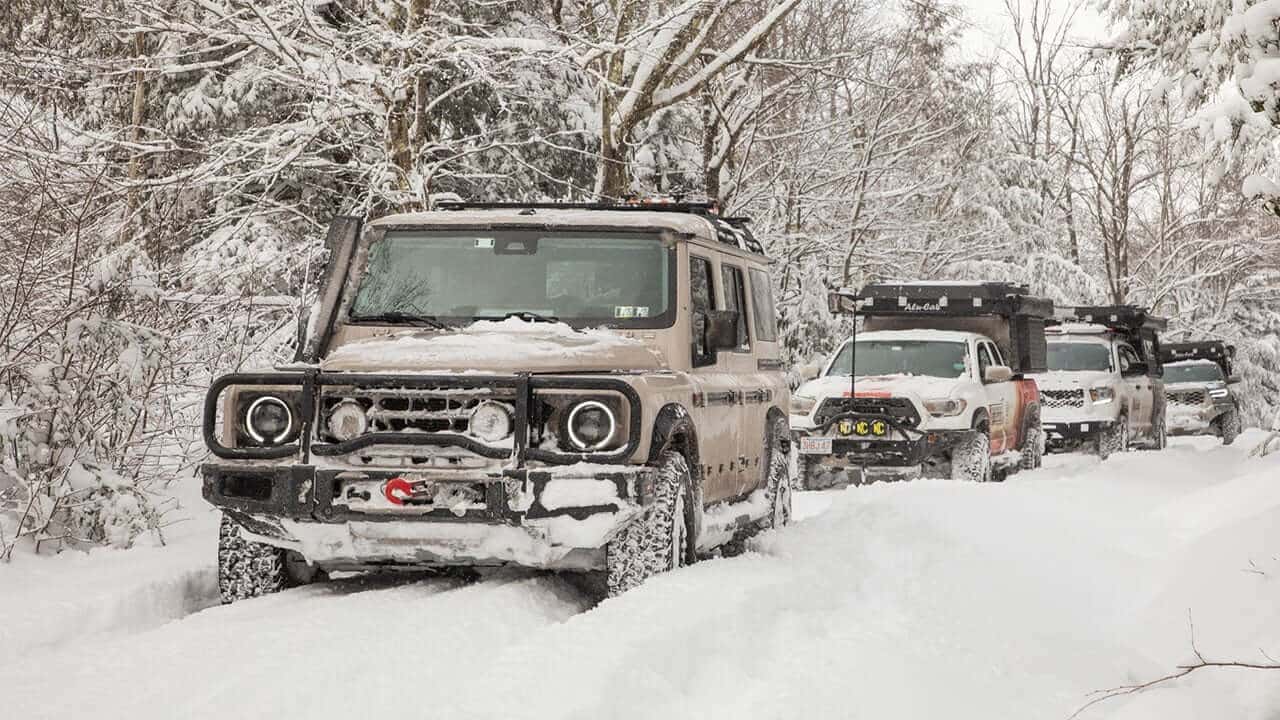
Winter is tough on your vehicle. Cold temperatures, snow, ice, salt, slush, early sunsets, and that one pothole you didn’t see all team up to make life harder on your rig. As an ASE Certified Shop, we follow industry-recognized best practices recommended by the National Institute for Automotive Service Excellence (ASE). Translation? We know how to keep your vehicle running smoothly when winter is actively trying to ruin it. Before the temps drop too low (and before holiday travel begins), here are a few essential winter vehicle prep tips every off-roader and daily driver should keep in mind.
- Keep Your Battery Clean
Over time, corrosion can form on your battery and terminals. That chalky white substance or bluish crust limits the connection between your battery and your vehicle’s electrical system—one of the many reasons winter vehicle prep is so important.
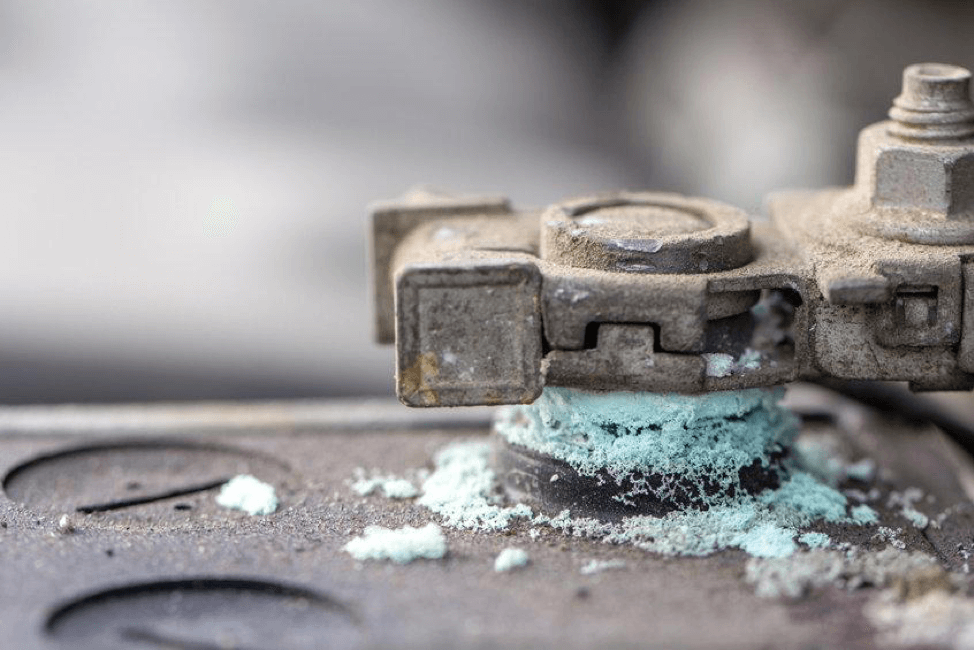
Cold weather makes this even worse. Batteries lose strength as temperatures drop, which is why winter is one of the most common times for battery failures.
Pro Tip: If you see buildup, get your terminals cleaned before it becomes a problem. And always carry jumper cables. Or better yet, a jump pack that doesn’t require another vehicle like this solid choice: NOCO - Boost UltraSafe Lithium Jump Starters
- Replace Your Windshield Wipers
Wiper blades stiffen, crack, and separate over time. In Winter when you’re clearing frost, snow, ice, road spray, and mystery slush, bad wipers can turn your windshield into a blurry mess.
Poor visibility is not ideal when traction is already questionable.
Pro Tip: If your wipers streak, chatter, squeal, or miss large sections of the windshield that they are supposed to hit, they’re done. Don’t wait until the first snowstorm to find out the hard way.
- Change Your Oil Before Winter Travel
Old oil thickens and doesn’t flow as well in cold temperatures. Fresh oil of the correct viscosity helps your engine start easier and lubricate faster when it’s freezing out.
Winter is a great time for an oil change because:
- Cold starts put extra strain on your engine
- -Fresh oil flows better in low temps
- You get peace of mind before holiday road trips
- It protects engine components when you’re idling to warm up (we all do it)
Pro Tip: Always use the oil weight recommended by the manufacturer. This is not the time to guess.
- Replace Your Engine and Cabin Filters
Your engine filter keeps dirt, dust, and debris out of your engine, while your cabin filter keeps garbage out of the air that you’re breathing.
Why this matters more in the winter:
-Cabin Filter: Windows are up, heat is blasting, and all that air is going straight at your face.
-Engine Filter: Road salt dries into that white powder coating your entire vehicle. Now imagine that going into your engine. Yeah… change the filter.
- Rotate Tires or Switch to Winter Tires
New tires are expensive, we get it. If you’re not ready to replace them yet, rotating them regularly helps you get the most out of your current set and keeps wear even.
That said... if your tires are bald, winter is not the season to see how that plays out. Tires are your only contact with the road you are driving on, and tread depth is everything when snow and ice buildup.
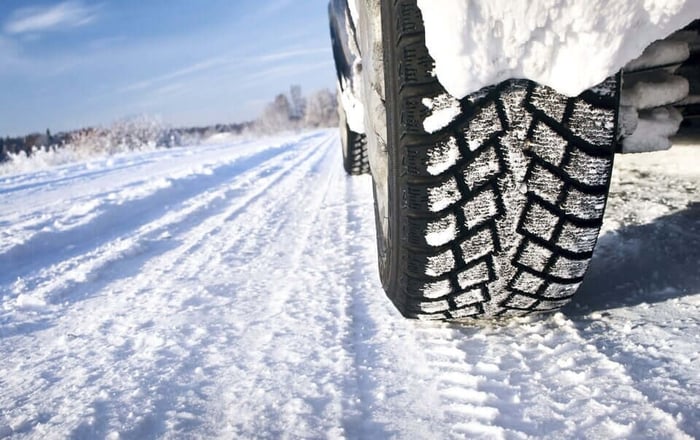
Pro Tip: All-season tires can work for mild winters. Dedicated winter tires shine when conditions get nasty. Choose based on where you actually drive, not where you wish you drove.
- Check Your Washer Fluid
Not all washer fluid is winter-safe. Ask me how I know… Standard fluid can freeze solid, crack components, or leave you blind when you need it most.
Pro Tip: Use washer fluid rated for winter conditions that contain antifreeze.
- Check and Adjust Your Tire Pressure
Cold Weather causes tire pressure to drop. Underinflated tires can negatively affect:
-Fuel Economy (aka more money at the pump)
-Handling and braking
-Tire wear and overall lifespan
Most vehicles list recommended tire pressure on a stick inside the door jamb on the driver side.
Pro Tip: Some newer vehicles show tire pressure automatically. If you are not that fancy and you are tired of waiting in line at the gas station, grab a digital gauge and keep it in your vehicle.
Like this one:
Even better: Get a Portable Air Compressor to fill them up too!
Like this one: ARB Portable 12V Air Compressor Single Motor CKMP12V2 - OK4WD
Winter doesn’t mean parking your vehicle until spring, it just means being a little smarter about prep. Doing proper winter vehicle prep now can save you from breakdowns, trail drama, and roadside regret later on.
If you want help getting winter-ready (or just want us to make sure your vehicle is not plotting against you), swing by the shop and our team of ASE Certified Technicians will take a look!