The Family Camping Series: Safety
When you're out in the wild with your family, adventure is everywhere—but so are a few risks. The good news? With a little planning, you can keep your camping trip fun and safe for everyone. From teaching kids how to respect a campfire to packing a first aid kit that actually gets used, safety doesn’t have to be scary—it’s just part of the adventure.
In this article, we’ll walk through simple, practical ways to keep your crew safe—from toddlers to teens—while still enjoying all the magic that comes with sleeping under the stars. Because the best camping memories are the ones where everyone comes home happy, healthy, and looking forward to your next adventure.
Campfire Safety for Kids (and Grown-Ups Too)
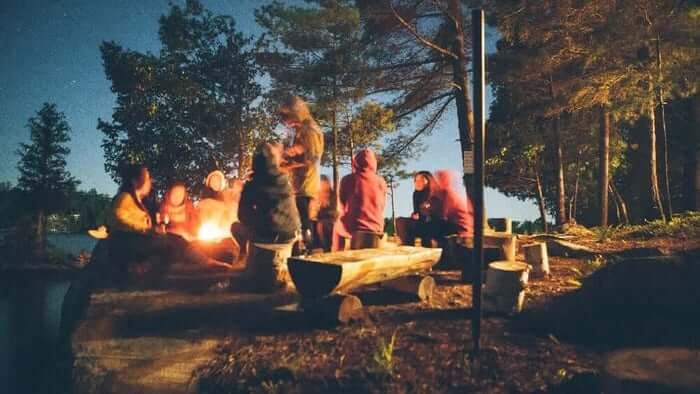
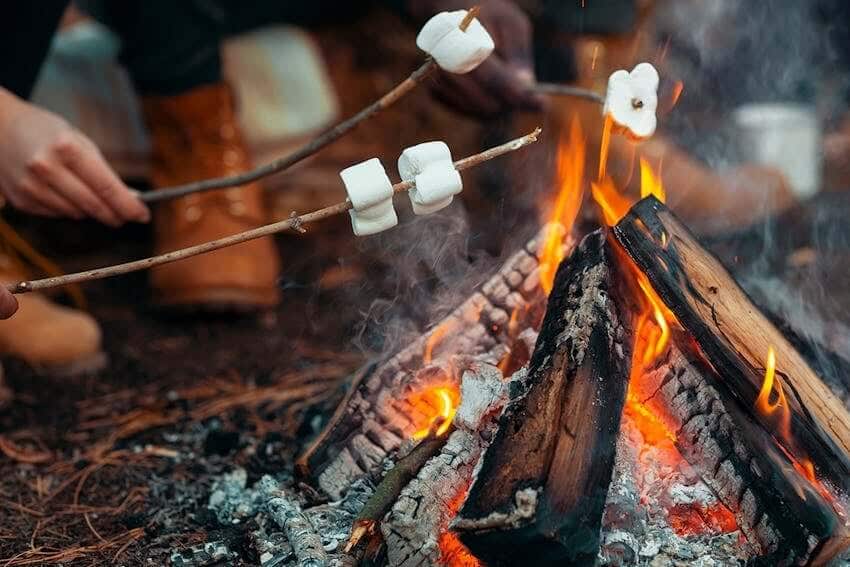
A campfire is the heart of the campsite—but it can be dangerous if not handled properly. Set clear fire boundaries for younger kids (use a stick or rocks to mark a "no-go" zone), always supervise fires, and keep a water bucket or sand nearby for emergencies. Teach older kids the basics of fire safety, like never leaving it unattended and how to help put it out properly.
Wildlife Awareness Without Fear
You don’t have to scare your kids to keep them alert. Teach them to observe animals from a distance, never feed wildlife, and always store food securely (a bear bag or bear-proof container if needed). Also consider your trash setup. We like the Trasharoo for ease and deterring unexpected guests at camp. Make it fun by learning about local animals before your trip and spotting them from a safe distance with binoculars.
First Aid: What to Pack and When to Use It
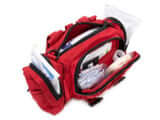
Bring a well-stocked first aid kit like Front Runner's First Aid Rapid Response Kit—and make sure you know what’s in it. Basic supplies like adhesive bandages (assorted sizes and fun colors for kids), antiseptic wipes, antibiotic ointment and tweezers are a good start. We also like to bring pain relievers for kids and adults, an antihistamine like Benadryl for allergies or bug bites, electrolyte packets for quick hydration, plenty of sunscreen, and an emergency whistle. A notebook and pen is always good to have handy to keep track of symptoms or medications given.
Weather Smarts: Staying Dry, Warm, and Safe
Check the forecast before you go, and always pack layers, even in summer. Talk to your kids about signs of dehydration, hypothermia, or heat exhaustion in ways they can understand (i.e., “If you feel dizzy or really cold, tell me right away”). Create a “rainy day plan” so bad weather doesn’t lead to boredom—or dangerous improvising.
Setting Boundaries and Emergency Plans
Kids love to explore—so set clear boundaries about how far they can wander. Use landmarks ("Don't go past that big tree by the creek") and consider giving older kids a whistle or walkie-talkie. Go over what to do if someone gets separated: stay in one place, blow the whistle, and never go looking on their own.
Mom Approved Tips
Pack the most vibrant clothing items your children own. Bright colors make them easier to spot.
A head lamp around their waist or glow stick bracelets makes keeping track of your littles in the dark much easier.
Bells secured to tent zippers or doors of a camper make a good alarm to wake you if someone is trying to leave your shelter without you.
Each person in our family has a different color flashlight and has decorated it in some fun stickers. This helps in the evenings to keep track of everyone. And bring those extra batteries!
Bonus Tip: Make Safety Part of the Adventure
Instead of lecturing, turn safety into a game or part of your daily camp routine. Give kids small safety roles (“You’re the hydration captain today!”), let them help check gear, and praise their awareness. When safety feels like teamwork, everyone stays more engaged—and more prepared
Conclusion: Adventure Is Even Better When It's Safe
Camping with kids is a beautiful mix of freedom and learning—but when safety is part of the plan, it becomes an experience you can all enjoy with confidence. Whether it’s setting clear fire rules, prepping your first aid kit, or just teaching kids how to be aware of their surroundings, a little preparation goes a long way.
And remember, safety doesn’t have to be boring or restrictive—it can be empowering. Giving kids small responsibilities, turning safety routines into games, and modeling calm, confident behavior helps them grow into capable campers in their own right.
So go ahead—chase fireflies, roast those marshmallows, explore the trails. With a few smart precautions in place, your family will be ready to enjoy every wild, wonderful moment together.