Offroad bumpers are key parts of an offroad build designed to enhance offroad performance, improve safety, and offer a more rugged look. They are built for the tough conditions many outdoor enthusiasts seek. Here’s a breakdown of some aspects to consider when selecting an off-road bumper for your vehicle:
Functionality
The primary function of an offroad bumper is to protect the vehicle's vital components and enhance its offroad capabilities. Here's how they serve that purpose:
- Protection: offroad bumpers are designed to better absorb impact from obstacles such as rocks, logs, or even other vehicles. They protect the vehicle’s frame, grille, radiator, and other important components that are susceptible to damage in rugged terrain.
- Recovery Points: Many offroad bumpers feature built-in recovery points or attachment points for winches, making it easier to pull the vehicle out of mud, snow, or other difficult situations. This is crucial when you're out on the trail.
- Ground Clearance: Someoffroad bumpers are designed to improve approach angles (the angles at which the front of the vehicle meets the ground), which can prevent the bumper from scraping on steep inclines or other obstacles.
- Winch Mounts: A winch is a critical offroad tool for pulling a vehicle out of sticky situations, and many off-road bumpers come with a built-in winch mount for easy installation.
- Air Bag Compatibility: Off-road bumpers, especially after-market ones, can affect the deployment of airbags in the event of a collision. Bumpers that are too heavy, rigid, or do not conform to factory specifications may interfere with the vehicle’s sensors or crash detection systems, potentially delaying or preventing proper airbag activation. Safety is crucial in off-road conditions, so choosing a bumper with air bag compatibility is critical. ARB and American Expedition Vehicles (AEV) are known for their research in manufacturing bumpers that keep this critical function in mind.
Types of Offroad Bumpers
Offroad bumpers come in a variety of styles to suit different needs and preferences. Each design is tailored for specific purposes, from offering maximum protection to improving vehicle functionality. Here's a breakdown of the most common types:
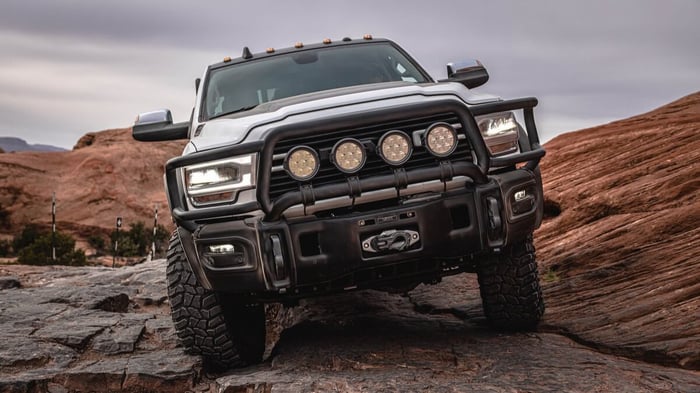
- Bull Bar Bumpers: Bull bars provide a strong, rigid defense without covering the entire front of the vehicle. They are often designed to protect the front end of a vehicle, particularly the grille, radiator, and front bumper area, from impacts with animals, debris, and other offroad obstacles.
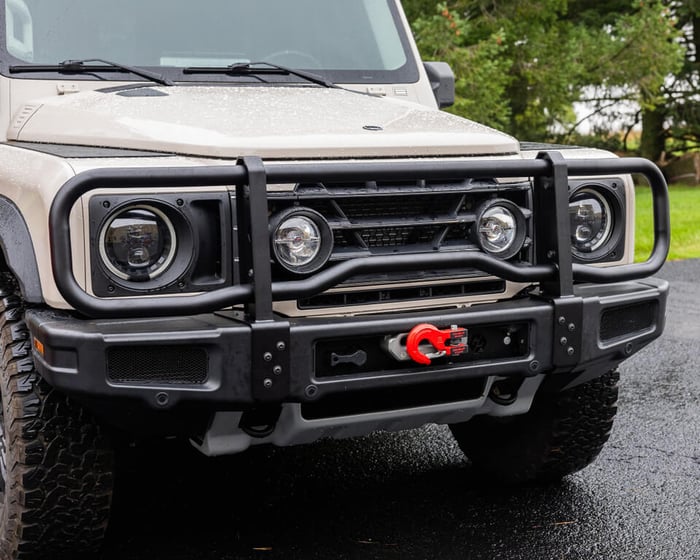
- Grille Guard Bumpers: Grille Guard Bumpers focus on providing extra protection to the grille and front end of a vehicle, usually through a full-coverage steel guard or frame. The design is similar to a bull bar but often offers additional coverage, especially around the headlights and grille.
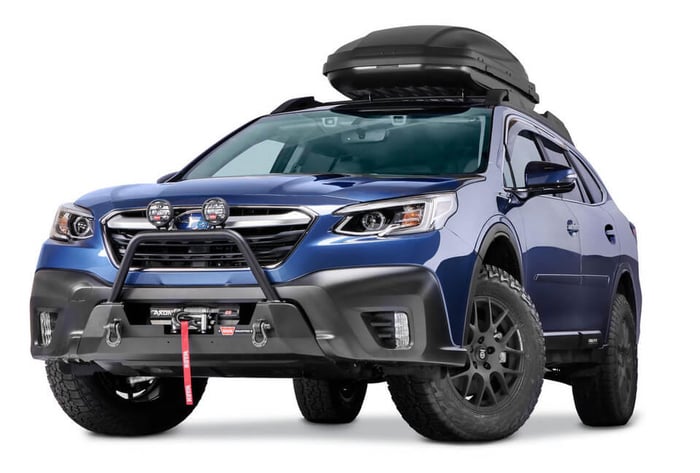
- Hidden Winch Bumpers: Hidden winch bumpers are designed with a low-profile approach, allowing a winch to be mounted behind the bumper, effectively "hiding" it from view. These bumpers are popular among off-road enthusiasts who want the functionality of a winch but don’t want to compromise the vehicle's aesthetic or lose approach angle.
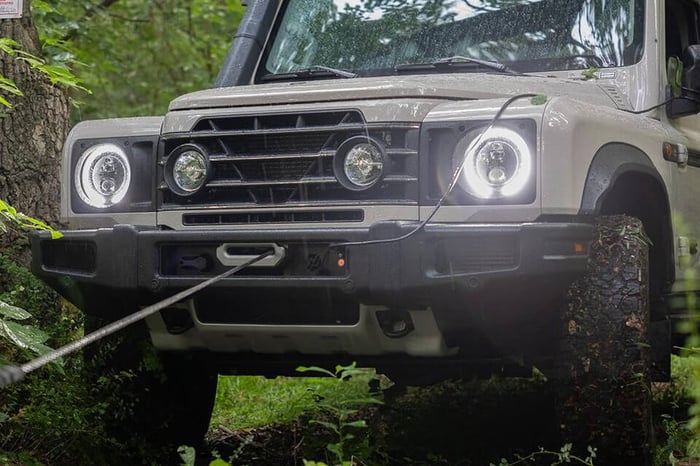
- Low Profile Bumper: Low-profile bumpers are designed to offer minimal coverage while still providing essential protection to the vehicle’s front end. These bumpers typically have a sleek, compact design that sits closer to the vehicle’s frame, reducing weight and maintaining a more "stock" appearance.
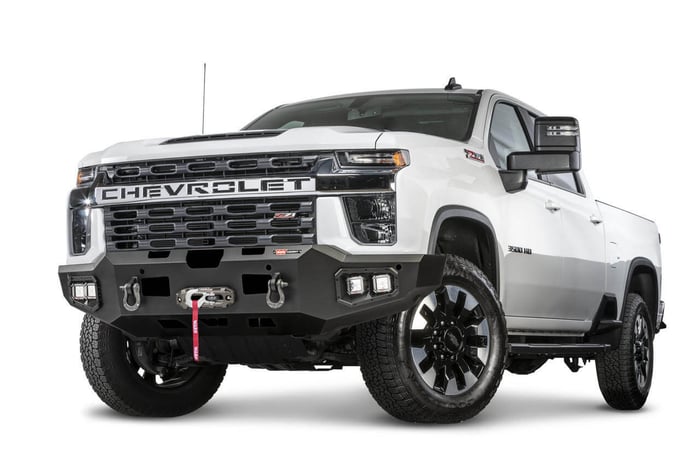
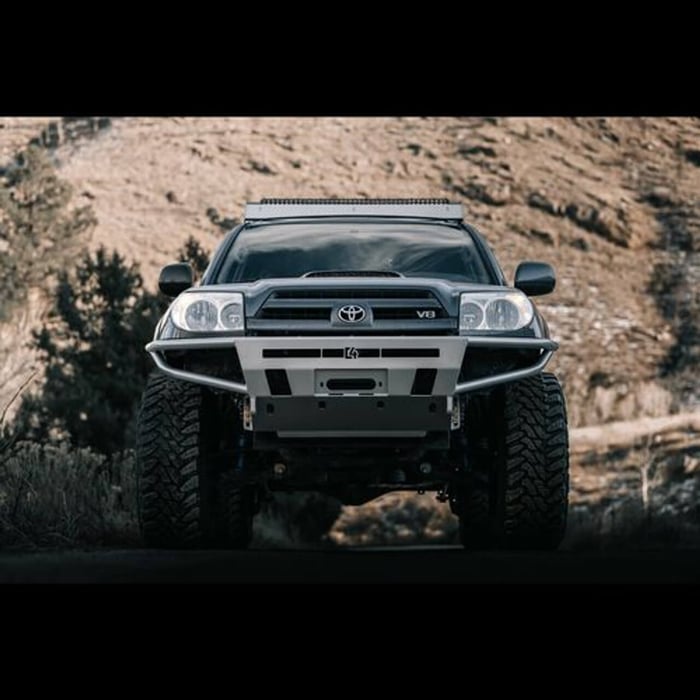
- Tubular Bumpers: These are usually made of thick steel tubing and are a more lightweight option compared to solid plate bumpers. While they still provide protection, they may not be as impact resistant as full plate bumpers.
Materials
The materials used in offroad bumpers play a significant role in their durability, weight, and price:
- Steel: Steel is the most common material for offroad bumpers due to its strength and durability. Heavy-duty steel bumpers can take a lot of abuse, but they also weigh more, which may affect the vehicle's performance.
- Mild Steel: Less expensive and can be welded or repaired easily but is more prone to rusting.
- High-strength Steel (e.g., DOM tubing, 3/16" or 1/4" plate): Offers superior strength and better resistance to impact.
- Boron Steel: Maximum strength and durability while potentially minimizing weight.
- Aluminum: Aluminum bumpers are lighter than steel, which can improve fuel efficiency and handling. They also resist rust better, but they may not provide the same level of protection against heavy impacts.
- Composite Materials: Some bumpers are made with high-strength composites, which offer a balance of strength and weight reduction. However, they are less common and typically more expensive.
Construction
- Press Formed Bumpers: The manufacturing process involves flat sheets of metal being fed into a press that uses a die to shape the material into a desired form. The process of press forming can create stronger parts by utilizing the natural properties of the metal, especially if you’re working with thicker or high-strength steel. It also allows for structural reinforcements like ribs or contours to be pressed directly into the bumper design. Since the part is formed as one piece, the need for multiple welds is minimized, which can result in a cleaner and stronger bumper with fewer potential weak points.
- Flat-Bent Bumpers: This method allows for a high degree of customization. You can design bumpers with different angles, shapes, and structural reinforcements tailored to specific needs. Flat-bent bumpers are often welded at joints to create the final form. Welding introduces the potential for weak points in the bumper’s design, which could be a consideration for offroad durability. They’re ideal for small production runs or for custom work where you want a balance of cost, strength, and design flexibility.
- Welded Bumpers are the go-to for custom, one-off builds or when you need to integrate unique features like specialized mounts. They offer the greatest design flexibility but can be more labor-intensive and heavier. A welded bumper can accommodate a wide variety of off-road features like integrated skid plates, custom brush guards, and custom cutouts for lights or recovery gear. They’re great for strength and durability, provided the welding is done well.
Style vs. Function
While functionality is often the primary concern, style is also an important consideration for many offroad enthusiasts. Offroad bumpers are often a key aesthetic feature that can define the overall look of a vehicle, especially in the off-road and overlanding communities. Here's how style and function intersect:
- Aggressive Look: Many offroad bumpers feature bold, angular designs that give the vehicle a more rugged and "built for adventure" appearance. This can include features like exposed winch mounts, heavy-duty grille guards, or integrated light bars.
- Minimalistic vs. Beefy: Some people prefer a minimalist design that adds just enough functionality without overpowering the vehicle's original look. Others go for heavy-duty bumpers that look more imposing, signaling that their vehicle is ready for anything.
- Custom Features: Customization options such as integrated light mounts, skid plates, or different color options can make a bumper look unique while serving specific functional needs.
Offroad Bumper Brands
Several well-known brands are known for making high-quality offroad bumpers:
- ARB: ARB is an Australian company famous for its tough bumpers, recovery equipment, and off-road accessories. They offer a variety of bumpers, from classic full width to more minimalist designs, all built with durability in mind. ARB bumpers are known for their high-quality construction and functionality in demanding off-road conditions.
- Warn: Warn is renowned for its winches, but they also make durable bumpers designed to accommodate winches and recovery gear. Their bumpers are made in the USA and known for their strength and reliability, often featuring integrated winch mounts and heavy-duty construction for the most demanding offroad adventures.
- Fab Fours: Fab Fours is known for its bold, innovative designs and high-quality offroad bumpers. Their bumpers are made in the USA and typically heavy-duty, offering complete front-end protection, while their customizable features (like winch mounts, light bars, and more) provide versatility for serious offroaders.
- AEV: AEV is a high-performance off-road company known for engineering parts and accessories that enhance the capabilities of Jeep, Ram, and other off-road vehicles. Their bumpers are made in the USA and designed for both function and style, offering heavy-duty protection and integrated features like winch mounts, lighting solutions, and high-clearance designs for better off-road angles. AEV bumpers are especially popular among overlanders and those who value high-quality, precision-engineered components that elevate their vehicle's off-road abilities. They are also known for their exceptional fitment and integration with factory vehicle systems, providing a more OEM-like look while still delivering enhanced performance.
Conclusion
Offroad bumper selection for your vehicle will depend on the balance between style and function that fits your needs. Ultimately, whether you're focused on performance, looks, or a combination of both, offroad bumpers are a crucial part of enhancing your vehicle’s capability and appearance.