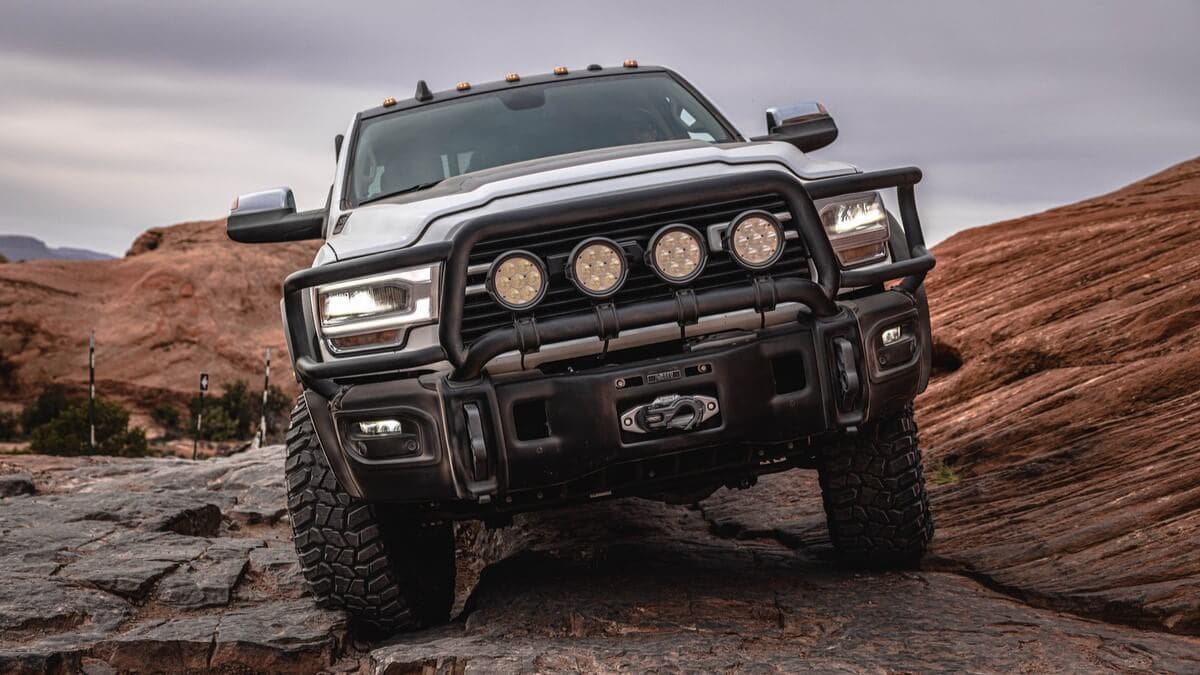
Bump stops are an essential component of a vehicle’s suspension system, designed to protect suspension components and the vehicle frame by limiting the suspension’s upward travel during its cycle. For offroad and overland vehicles, which often face rough trails, heavy offroading, and substantial loads, bump stops are especially important. In these vehicles—frequently traversing rugged and unpredictable terrain—bump stops play a key role in preventing damage, enhancing ride quality, and maintaining vehicle stability.
Let’s take a look at bump stops and their role in an overland or offroad setup:
What Are Bump Stops?
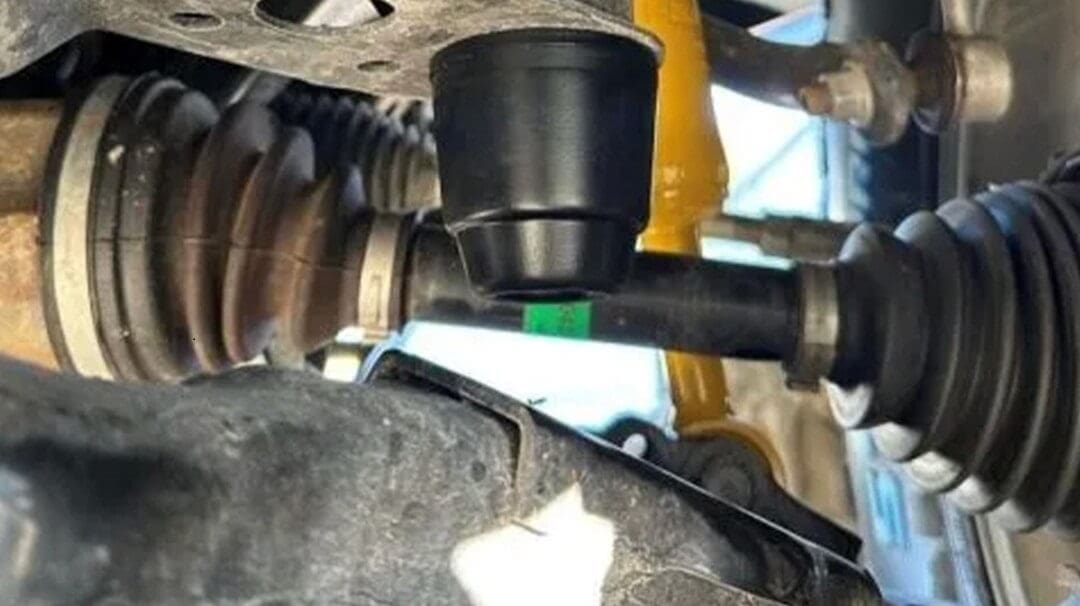
A bump stop is a shock absorber component that prevents the suspension from compressing too much by stopping the suspension (usually the control arms or shocks) from over compressing and bottoming out. When the suspension reaches its full up travel (i.e., fully compressed), the bump stop cushions the impact and absorbs the force, protecting critical suspension components such as the shocks, steering racks, tie rods, leaf springs and the vehicle’s frame from excessive stress or damage. Aftermarket bump stops are arguably one of the first suspension modifications that should be made to protect your investment in your vehicle and other aftermarket components.
What Are Droop Stops?
You may have also heard of droop stops, which are designed to prevent suspension over-extension. While some vehicle manufacturers incorporate droop stops into their designs, the majority of vehicles rely on the shocks themselves to limit extension. This setup may suffice for original equipment manufacturer (OEM) wheels and tires, but when larger wheels and tires are installed, the shocks often cannot handle the additional weight of aftermarket parts at full extension. This can lead to catastrophic damage, such as tearing the shock apart and potentially harming other vehicle components.
This is where limit straps become essential. A limit strap is fastened to the vehicle’s frame at one end and the lower control arm or axle at the other. The strap is specifically measured to allow the suspension to extend only a predetermined distance, effectively preventing over-extension and protecting the shocks and suspension components.
For the purposes of this blog article, however, our focus will remain on bump stops.
Why Are Bump Stops Important for Overland and Offroad Vehicles?
Offroading and overlanding often involves traveling on rough, uneven terrain, sometimes while fully loaded with camping gear, spare parts, and other heavy equipment. The key benefits of bump stops in overlanding and offroading vehicles include:
Protection of Suspension Components
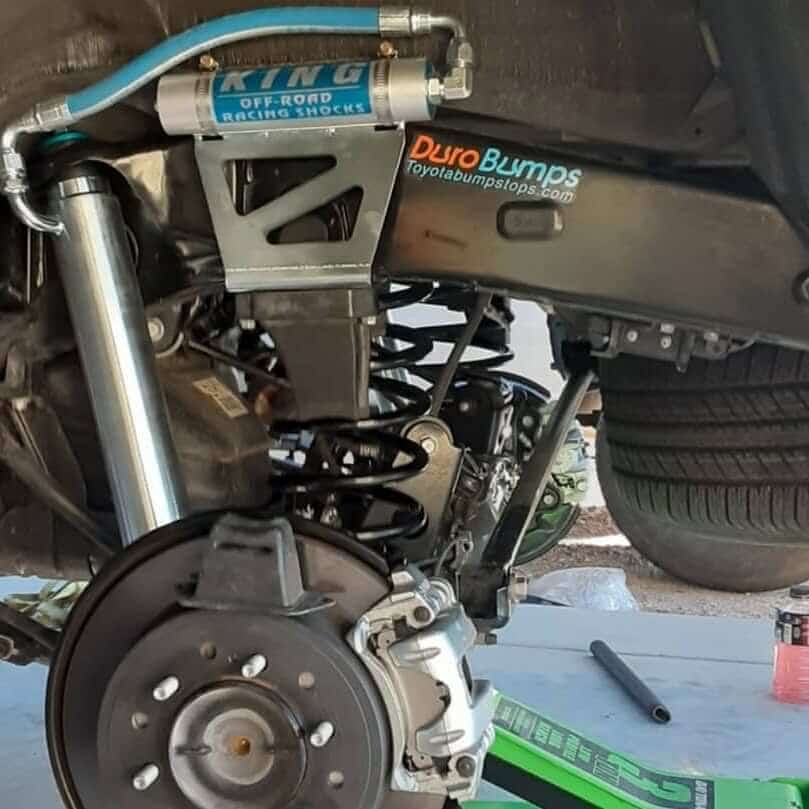
Aftermarket bump stops protect expensive suspension parts (like shocks, control arms, leaf springs, steering racks and tie rods) from excessive wear and impact. Offroad and overland vehicles often experience large amounts of stress from rough terrain, so bump stops help ensure longevity of these parts and help maintain steering alignment.
Prevent Bottoming Out
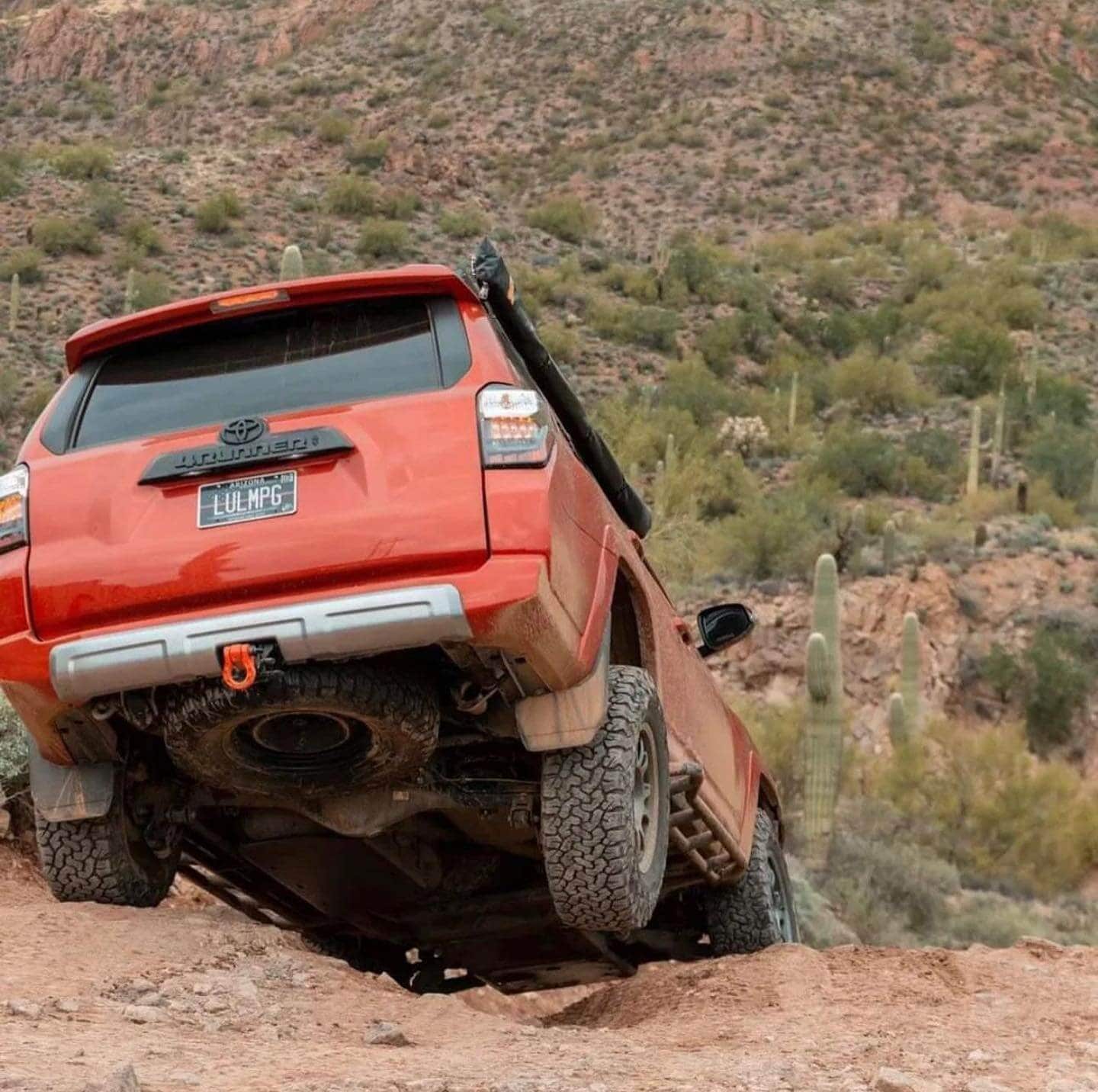
When navigating rough trails, deep ruts, or steep inclines, the suspension can compress fully, causing a “bottom out.” This can damage shocks, springs, and even the vehicle’s frame. Bump stops prevent this by engaging before the suspension reaches its limit, cushioning the impact and preserving suspension integrity.
Improved Comfort
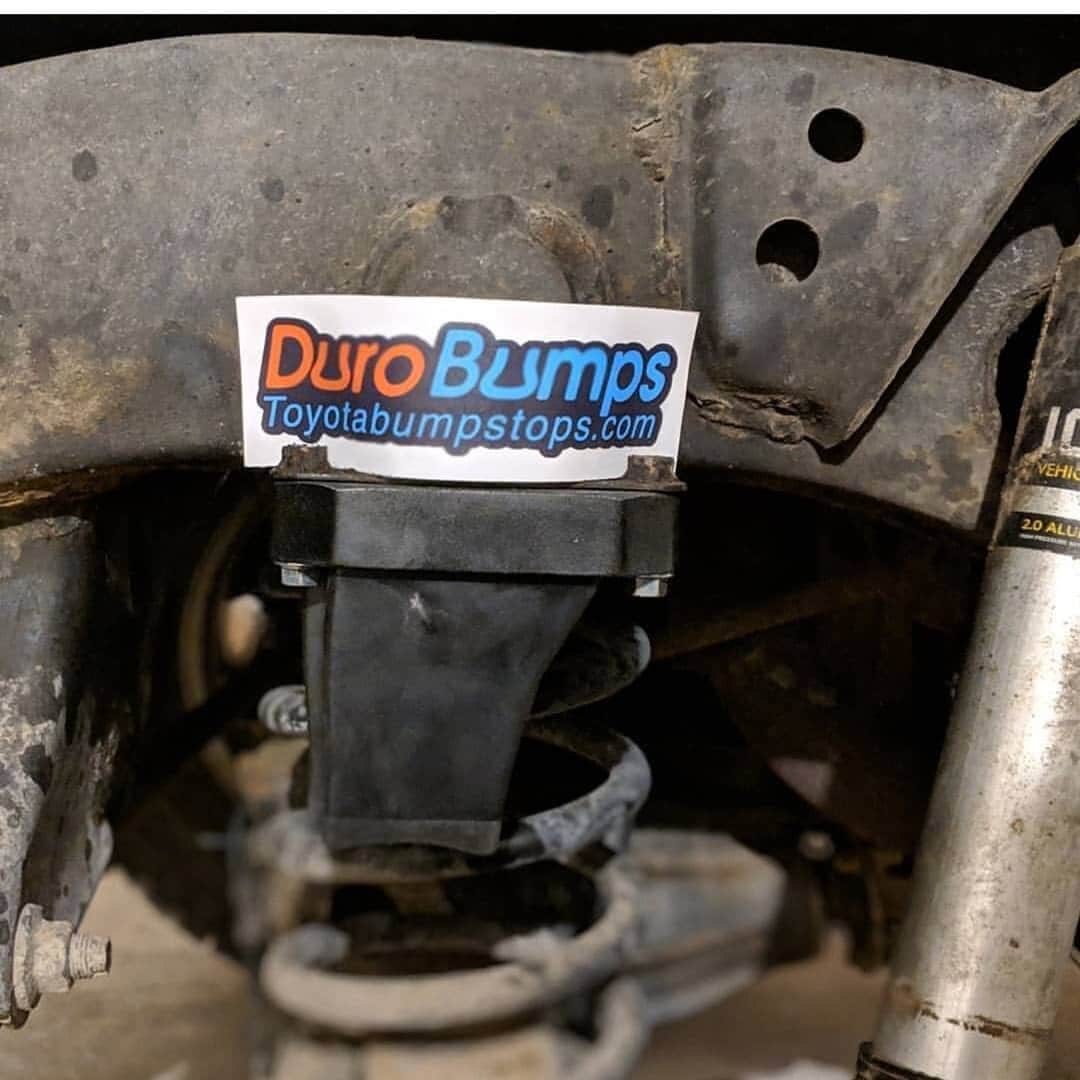
While bump stops are not a substitute for a well-tuned suspension system, they do help cushion the impact during severe compression, providing a smoother ride over rough terrain. This can help reduce jarring and impact felt in the cabin, especially in vehicles that are carrying heavy loads. A quality aftermarket bump stop adds further offroad performance beyond what shocks alone can provide.
Enhanced Stability
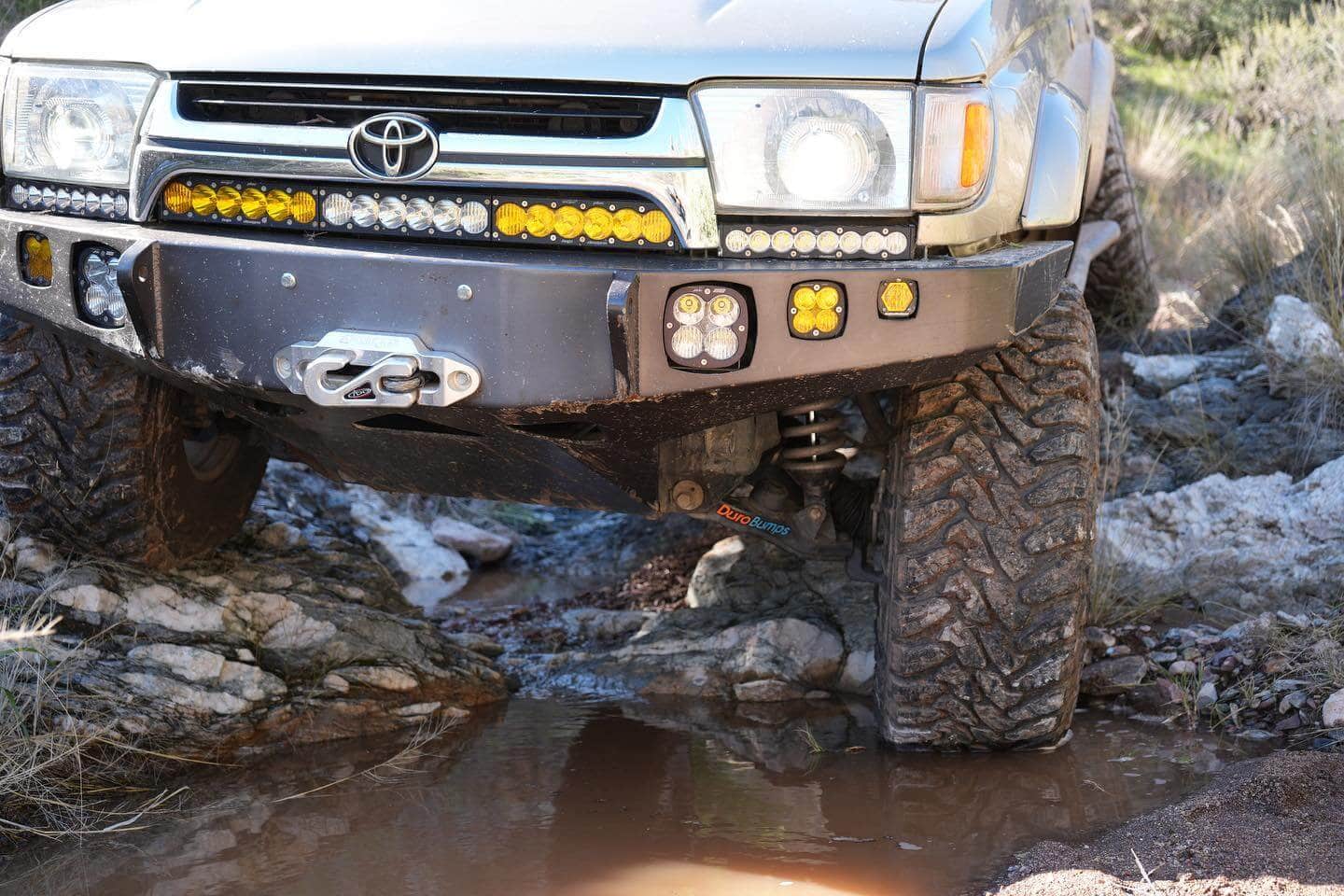
Overlanding and offroading often involves traversing obstacles like rocks, deep ruts, or sand dunes. On uneven terrain, excessive suspension travel can lead to instability or loss of control. Bump stops limit this travel, keeping the suspension geometry in check and improving vehicle stability. Additionally, they prevent the vehicle body from rolling excessively during articulation, such as navigating over rock fields ensuring tires don’t rub against wheel wells.
Prevention of Suspension Damage from Offroading and Overloading:
Proper suspension alignment is critical for maintaining control and avoiding undue stress on components. Bump stops help maintain the suspension’s geometry by limiting over-compression, protecting parts like tie rods, steering racks, and shocks from damage caused by excessive up travel.
Compatibility with Aftermarket Upgrades:
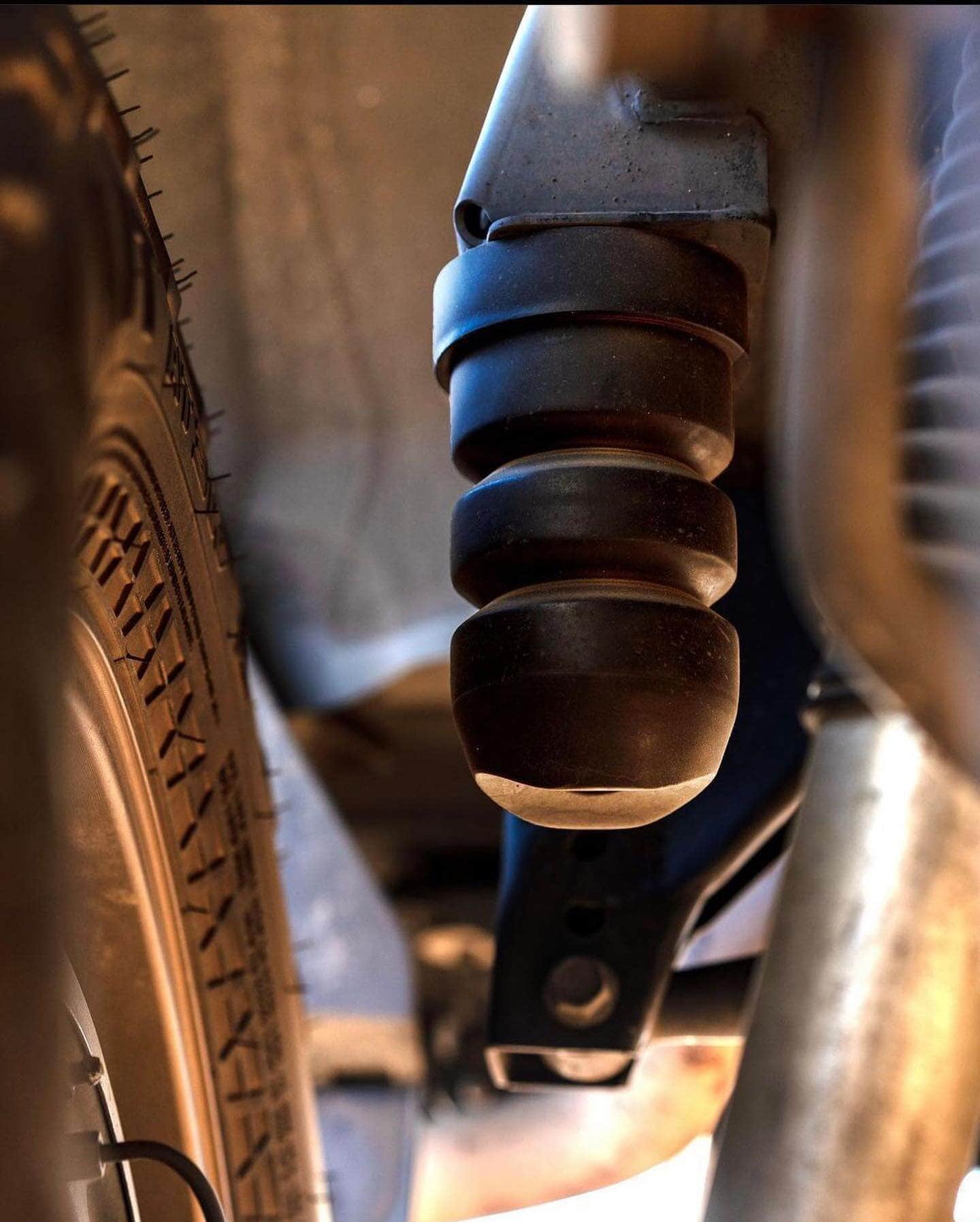
For vehicles equipped with larger tires, extended shocks, or lift kits, aftermarket bump stops ensure proper operation by preventing tire rub and shock over-compression. Choosing the right bump stops tailored to your modifications is essential for maximizing performance and avoiding damage.
Types of Bump Stops for Overland or Offroad Vehicles:
OEM Rubber Bump Stops
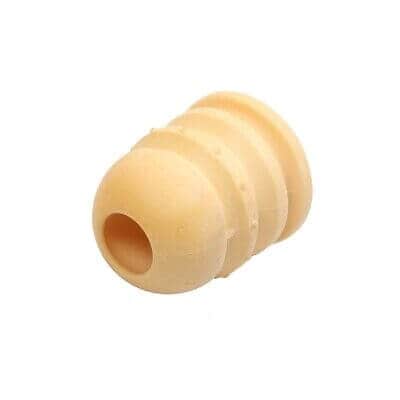
Common on most vehicles. Suitable for stock suspension.
Pros: Provided as an OEM component on most vehicles. Bolts on in OEM location.
Cons: Harsh engagement. Not suitable for aftermarket suspension. Transfers shock load to other critical suspension components and into the cabin. Not suitable for offroad use.
Progressive Rate Rubber Bump Stops
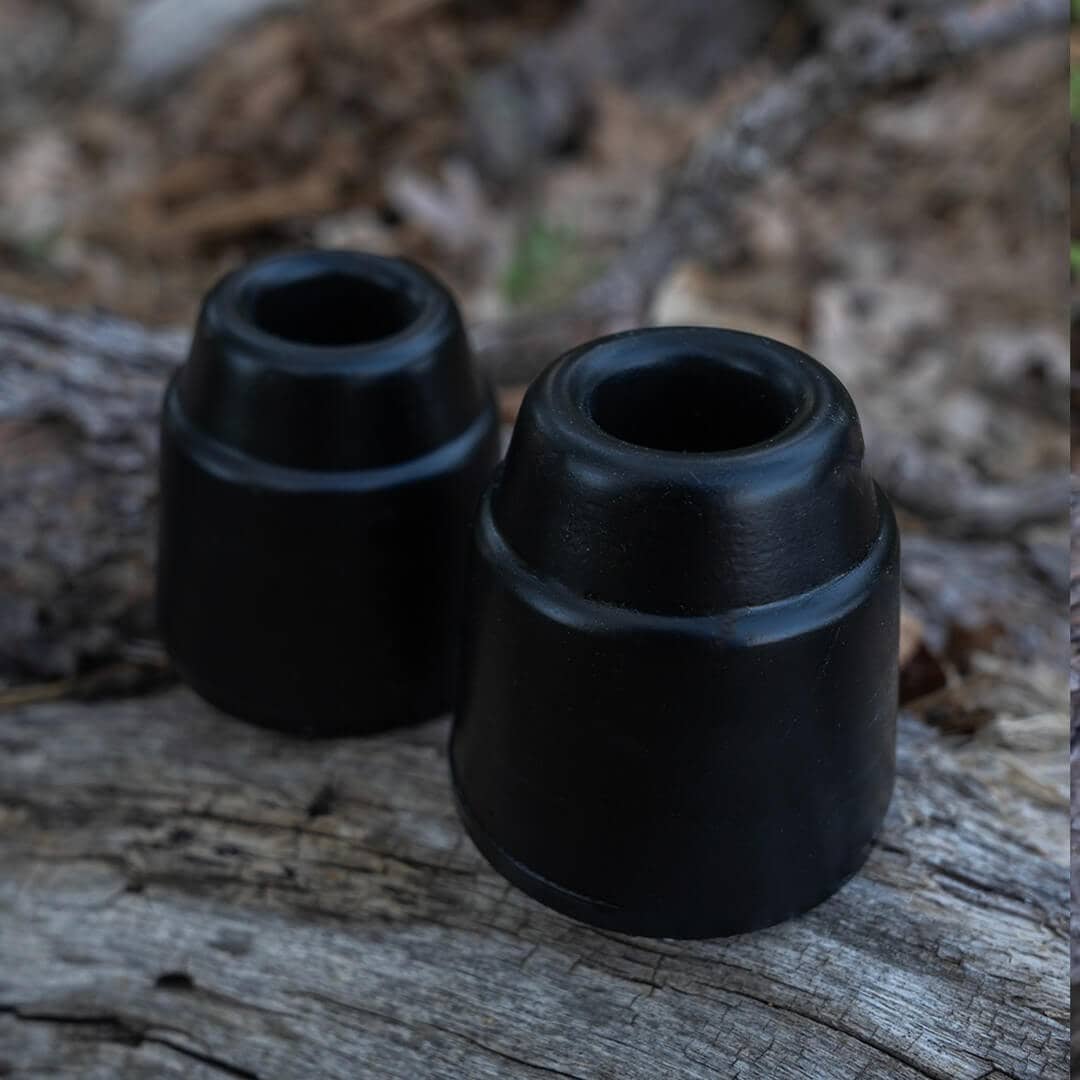
Progressive rate rubber bump stops are generally the go-to bump stop for most trucks with aftermarket suspension and offer significant improvement on a wide variety of offroad and overland vehicles. Relatively inexpensive and available for stock suspension or fully built trucks.
Pros: Durable. Progressive spring rate offers smooth engagement and increases compression rate as compressed. Allows for maximum suspension travel. Silent engagement. Bolts in OEM location. Compatible with both stock and aftermarket suspension.
Cons: More expensive than OEM rubber bump stops or urethane. Not intended for towing applications.
Polyurethane Bump Stops
Affordable and fairly durable for light off road use. Polyurethane bump stops have been around for several decades and are an improvement over OEM bump stops.
Pros: Budget-friendly. Good for light-duty use. Bolts on in OEM location.
Cons: Susceptible to splitting and harsh on impact.
Micro Cellular Foam Bump Stops
Similar material as a seat cushion or mattress. Foam bump stops are a step up from polyurethane. In general foam bump stops are a good option for light-duty scenarios.
Pros: Better than OEM stops. Bolts in OEM location. Easy to install. High energy absorption.
Cons: Linear compression rate. Limited size options available.
Towing or Load Leveling Bump Stops
Unlike offroad bump stops that engage the last 10% of wheel travel, towing or load leveler bump stops typically reduce suspension travel by 30% and are designed to be in constant engagement to level out vehicles with excessive weight or while towing. Many manufacturers offer options for towing applications. Most are made from a firm rubber with a few foam options available as well.
Pros: Levels the trucks ride height when towing or excessive weight applications. Supplements inadequate suspension of overloaded vehicles.
Cons: Reduces suspension travel. Harsh ride quality without weight applied. Poor offroad performance. Large in size potentially interfering with suspension components.
Hydraulic Bump Stops
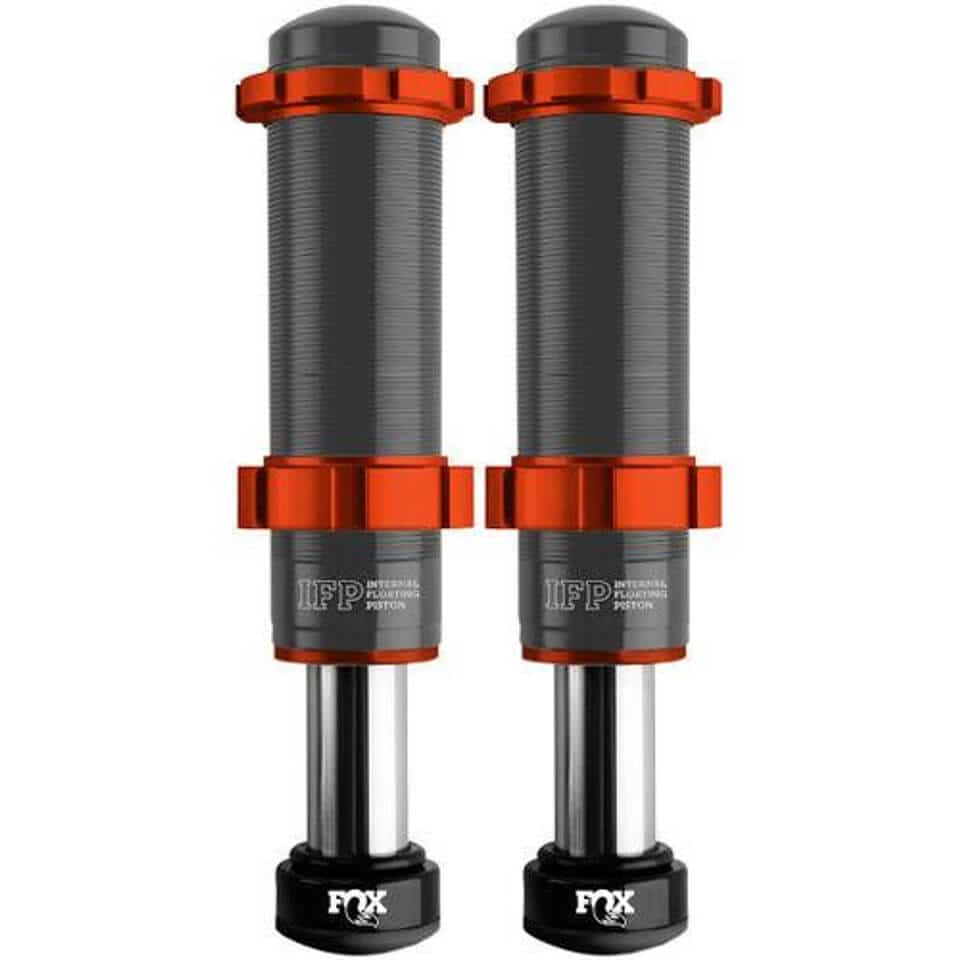
High-performance option for extreme use. With proper installation, hydraulic bump stops offer the highest performance of any offroad bump stop. Often found on offroad race trucks.
Pros: Adjustable compression rate and controlled rebound through hydraulic fluid system. Most durable bump stop option. Fully rebuildable. Suitable for extreme offroad racing
Cons: Expensive. Requires custom installation. Creates a lot of noise on engagement. Not all vehicles have enough space to properly install. Can damage OEM vehicle frames.
Air Bump Stops
Best for low-speed, articulation-heavy scenarios like rock crawling. These are a great option for slow speed applications.
Pros: Adjustable and progressive compression rate. Fully rebuildable.
Cons: Unsuitable for high-speed use.
How to Choose the Right Bump Stops for Your Overland Vehicle:
Consider the Suspension Travel
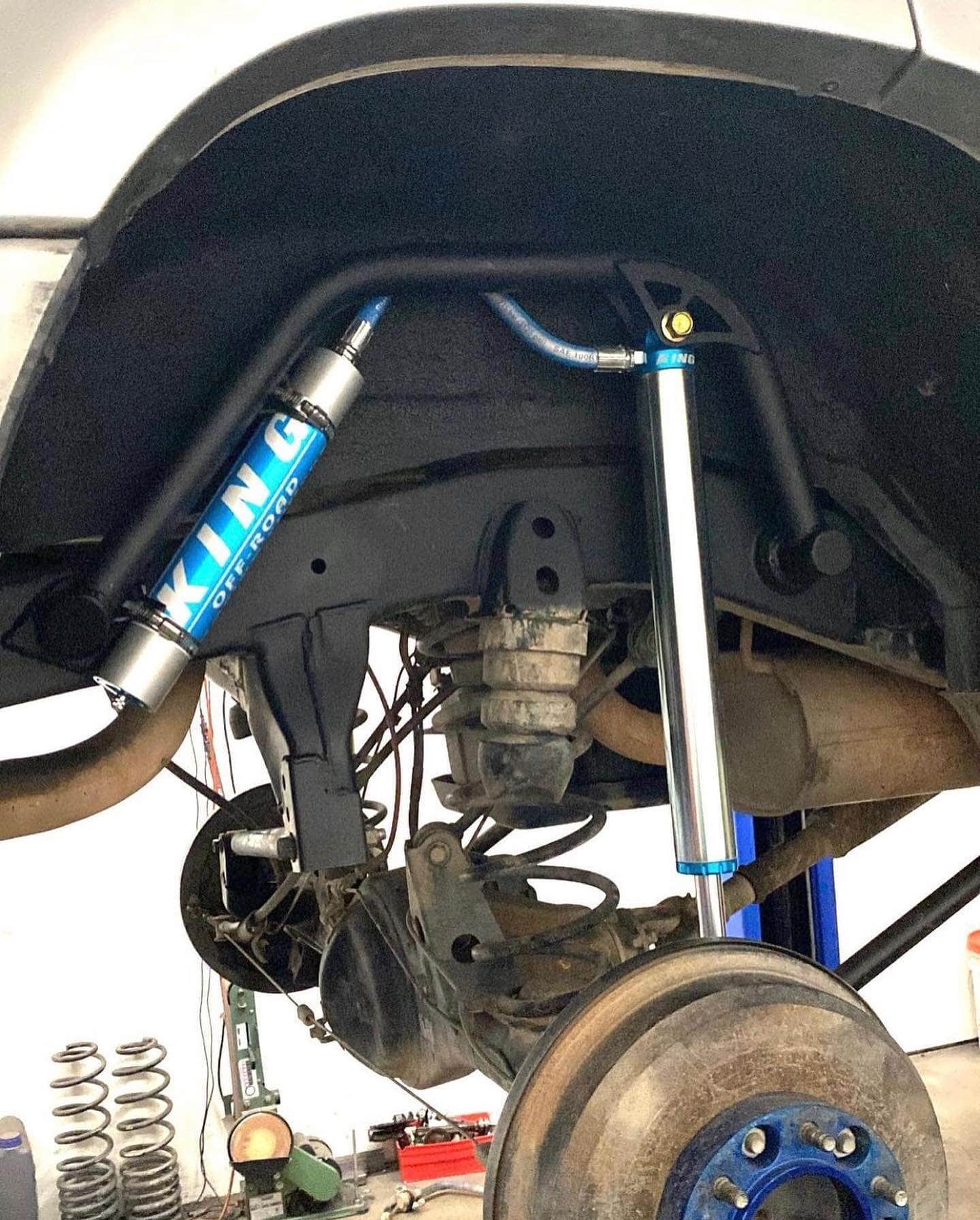
If you have a suspension with longer travel (e.g., for rock crawling or high-speed off-roading), you’ll want a bump stop that can handle significant compression without bottoming out, such as a progressive rubber bump stop or hydraulic bump stop.
Weight of the Vehicle
Overland and offroad vehicles are often heavily loaded with gear, tools, water, and supplies. If you're running a heavily loaded vehicle, you might want to consider upgrading the vehicle's coil springs or leaf springs to properly support the weight or consider a load leveling bump stop.
Terrain
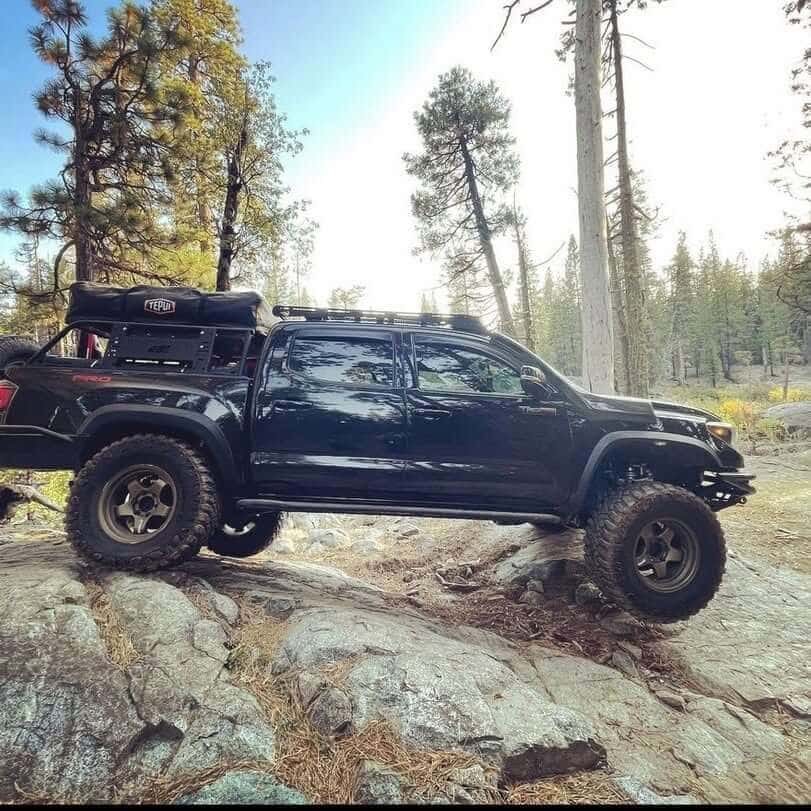
If your overland or offroad vehicle is primarily used for traversing smooth dirt roads or easy trails, stock rubber bump stops may be sufficient. For more extreme offroading (rock crawling, deep ruts, sand dunes), more advanced bump stops like progressive rubber bump stops or hydraulic versions can help prevent suspension damage and improve ride quality.
Durability and Maintenance
Hydraulic and air bump stops require frequent maintenance and care. Rubber, foam or polyurethane bump stops are maintenance free so if you prefer low-maintenance options, you might want to stick with rubber or polyurethane.
Budget: Polyurethane bump stops are the most affordable, while progressive rate rubber bump stops are more expensive with hydraulic or air bump stops being the most expensive. If you're on a budget, polyurethane or rubber bump stops provide a good balance of cost and performance for most offroad and overland applications.
Installation and Maintenance:
Installation
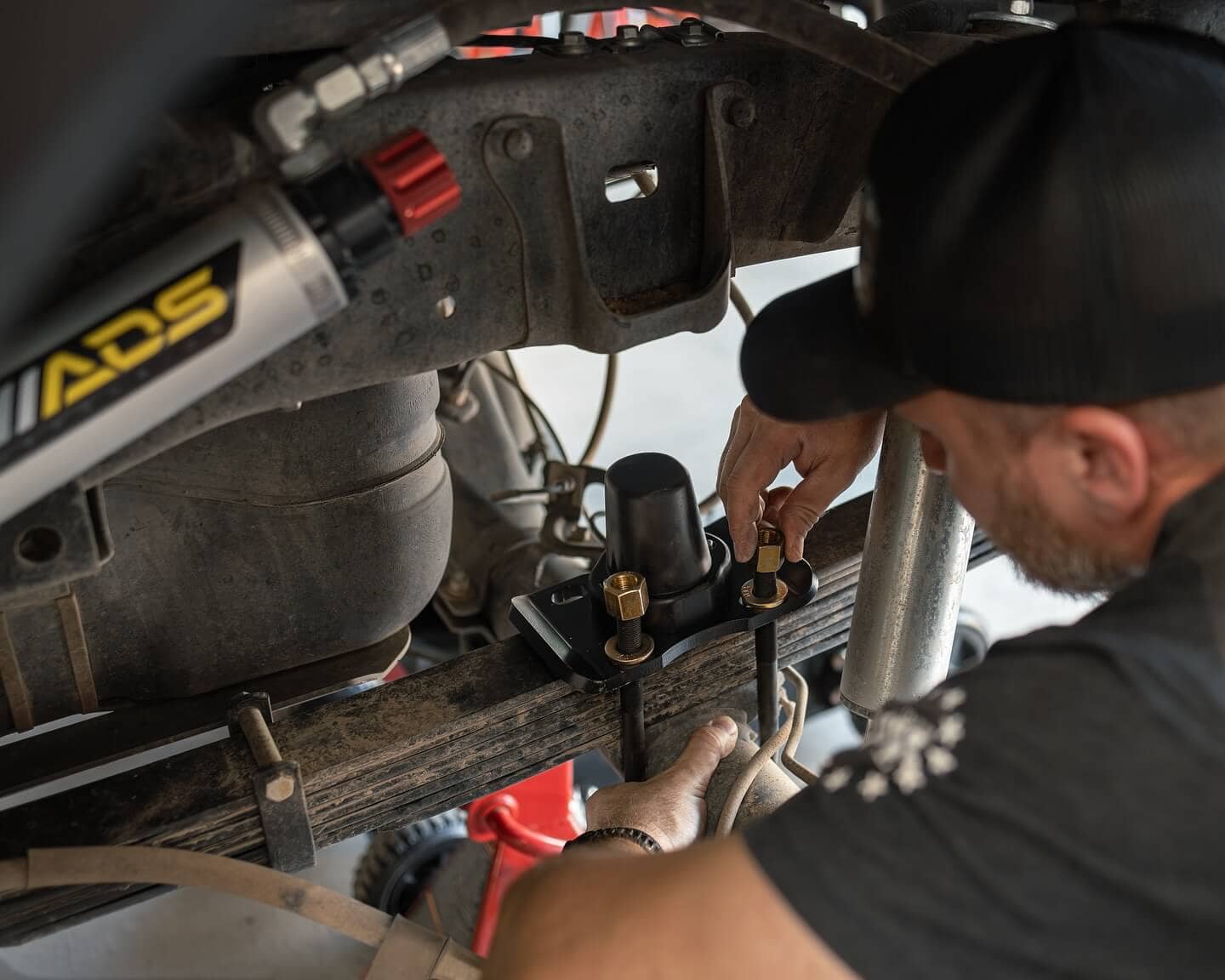
Depending on the type of bump stop and your suspension system, installation may vary. For rubber, polyurethane and microcellular foam bump stops, the process is relatively simple, often involving removal of the old bump stops and installing new ones using bolts or mounting brackets. More advanced systems like air or hydraulic bump stops may require additional modifications to your suspension or chassis. Contact our crew at OK4WD or head to our service page to schedule your installation today.
Maintenance
Regularly check bump stops for signs of wear, such as cracks in the rubber or polyurethane, fluid leakage from hydraulic bump stops, or loss of air pressure in air bump stops. If you notice excessive wear or damage, it’s important to replace them to ensure the protection of your suspension components.
Bump stops are relatively simple components, but they can have a huge impact on your overland or offroad vehicle’s performance and longevity, especially when traveling through tough terrain. Check out our curated selection of bump stops from top brands such as DuroBumps, TeraFlex, and Fox Offroad.