What is Off-Roading, Overlanding, and Adventure Travel?
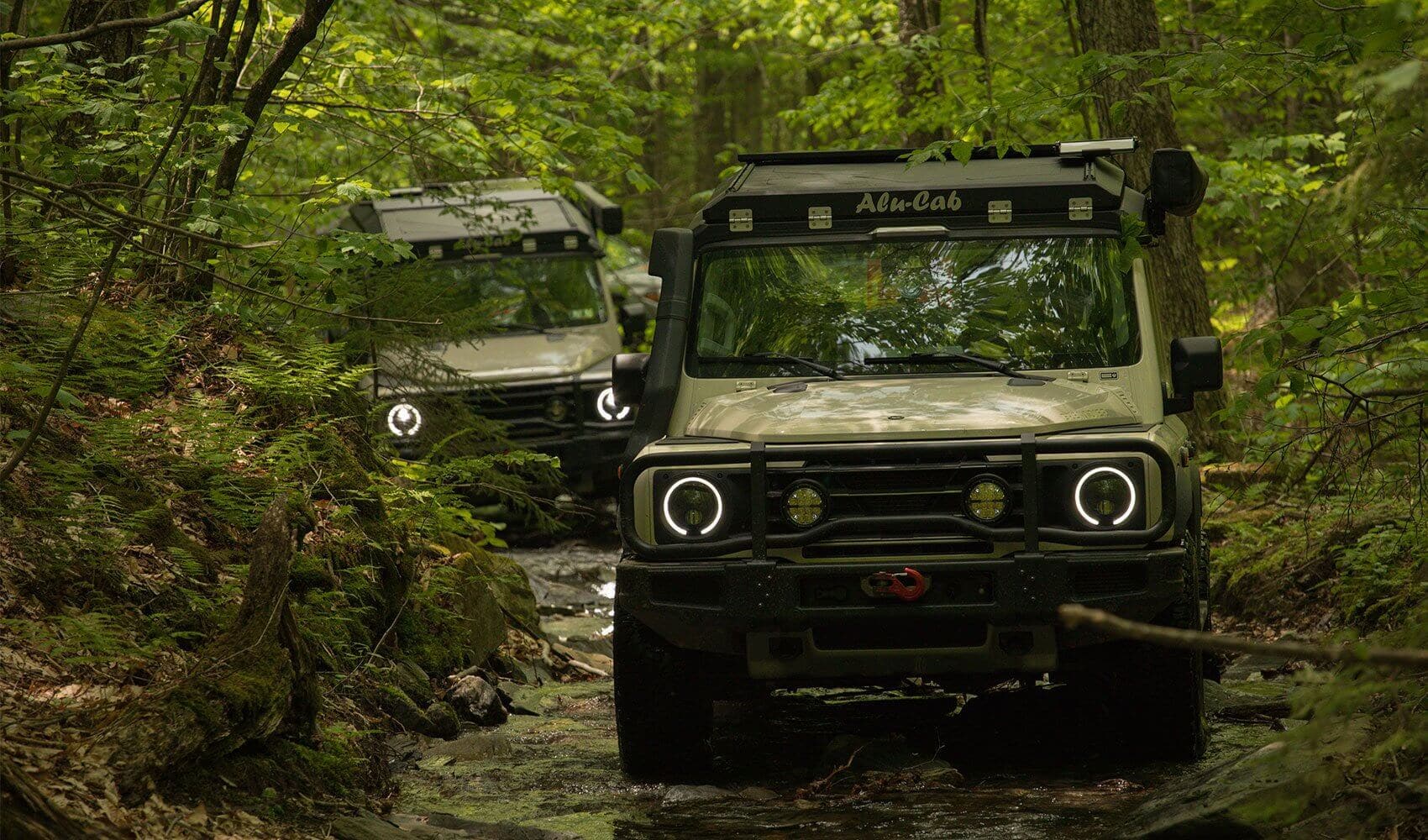
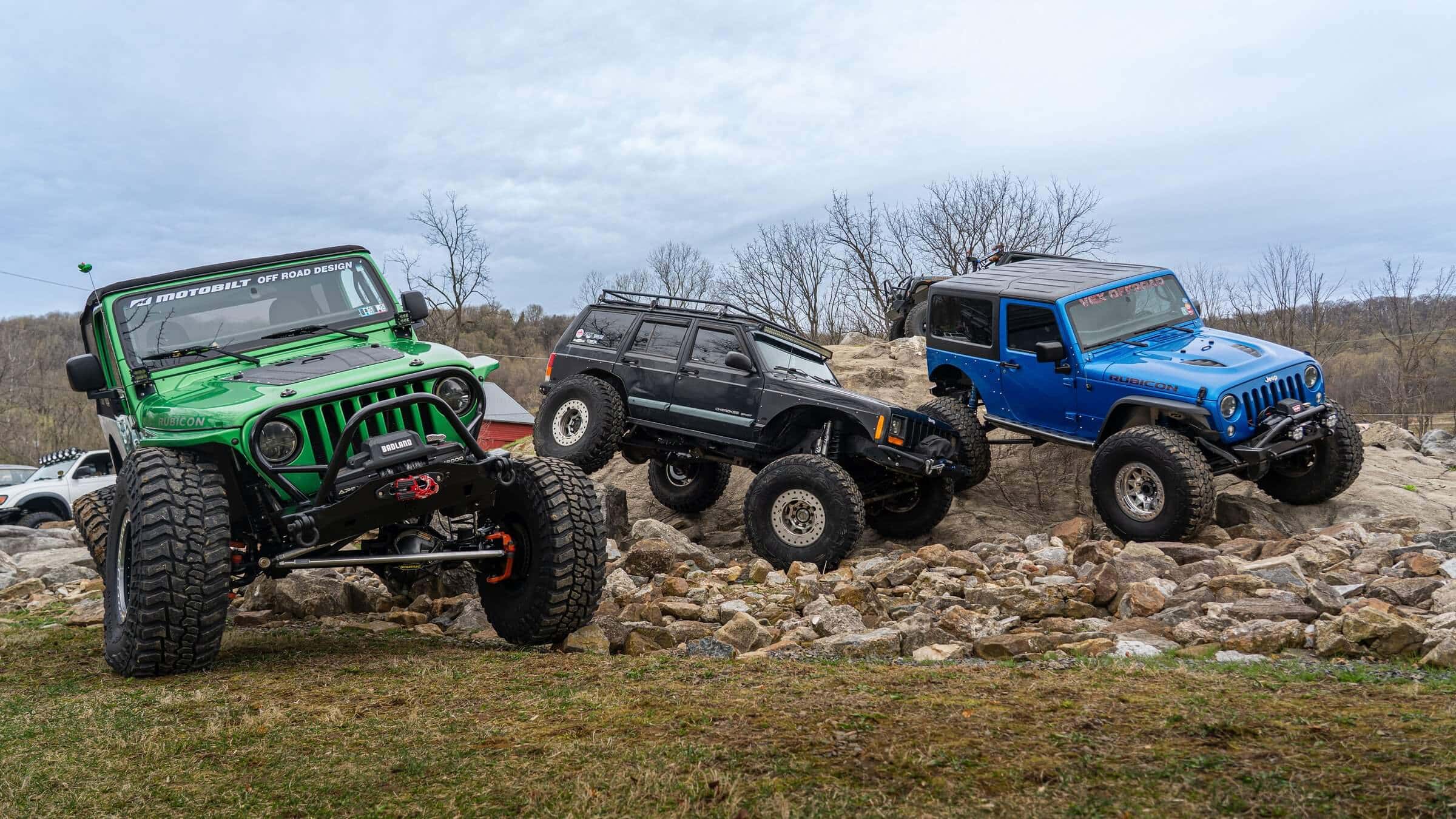
Off-roading refers to driving vehicles on unpaved surfaces or trails, either for travel, leisure, or sport. Overlanding is a type of off-roading focused on the journey aspect, often featuring camping and extended treks. The term itself originated in Australia, describing the practice of droving or herding of livestock from distant grazing pastures into the market. The main routes used in this practice would eventually become roads, which caused the term to evolve into what it is now. Adventure Travel is an alternative term used to describe overlanding.
What to Know
Find community, and don't go alone. As a whole, off-roading is a highly community-based hobby. One fundamental principle is avoid going alone. If you do not have a group of friends to go with, there are many off-road groups or schools. For instance, if you are in the Northeast area, Northeast Off-Road Adventures (or NORA) is an excellent option for beginner off-roaders, offering training and tours in private vehicles. Community and groups are your best resource, as you will have access to seasoned off-roaders who will know your nearby terrain and trails incredibly well. By going with a small group, you will be less likely to end up in emergencies, and also have greater access to help and aid.
Take it slow. Not only is going slower safer, but it is less likely to cause trail or ecological damage. Driving at a controlled pace decreases the likelihood of ending up in dangerous or sticky situations and makes them easier to get out of. Going slow refers not just to your vehicle's speed, but to learning the hobby itself. Don’t rush into more difficult trails before you are genuinely ready: take the time to master the basics and get comfortable with the alternative ways you need to use your vehicle. Always remember KISS: Keep it simple, stupid.
Never be afraid to turn around. Accidents happen when you or someone else pushes you beyond your comfort level. If you are uncomfortable or feel the path ahead is dangerous, the best option is always to leave. You are not a coward if you don’t finish or attempt a trail. You’re sensible.
Leave no trace. Despite off-roading’s reputation for being environmentally harmful, many off-roaders are strong advocates for trail care and maintenance. After all, if the trail’s environment is damaged, there is no trail. This means not just avoiding littering, but staying on marked trails, avoiding driving over vegetation, driving over obstacles instead of around (to avoid widening the trail or causing other forms of erosion), going through mud puddles slowly, and only crossing streams at designated points.
When you get stuck, don’t panic. Getting stuck is both an inevitability and a rite of passage. Oftentimes, you might not even be actually stuck, and can get out of the situation by backing up or rocking the car back and forth. Even if the vehicle is no longer moving, utilize the recovery kit, traction boards, tow straps, car jacks, and your group's aid.
Recovery gear is not optional. If you are planning on getting into off-roading, then recovery gear should be your top priority, above body armor, lifts, etc. As previously said, getting stuck at some point is unavoidable, but it doesn't have to be dramatic. Your vehicle should at the very least have pull/tow points on either bumper, strong jacks, traction boards, a winch, and survival supplies. I personally also recommend a shovel, a spare tire or tire patching kit, and tools to alter tire pressure.
Plan ahead, and plan for damage. You will damage your car. That is a given. The key is preparation and mitigation. Never take anything you are unwilling to damage, familiarize yourself with the undercarriage, and accept any aesthetic or body damage that may happen. Having a plan for your adventure and a budget to fix damage or touch up any gouges is a must-have. The nature of this hobby is to drive over rough terrain, in dense forests, and in dramatic conditions. Just as you get scrapes and cuts or rocks in your shoe while hiking, your vehicle experiences the same off-roading.
Trail Etiquette
While expectations may vary from region to region, the main points of off-roading etiquette are relatively universal. Always yield to vehicles going uphill, bikes, horses, and hikers. As one of the largest things on the trail, it is essential to be respectful and non-threatening to other hobbyists.
Additionally, make sure to have an appropriate distance between your vehicle and the one in front of you. Similar to being on the highway, the greater distance between you and the car ahead of you means more time for you to react to anything that might happen to them. The added space also allows the vehicle ahead of you to take their time, making both your and their experience safer.
Always leave things the way you find them. If you open a gate, make sure to close it. If you need to park for any reason, it is best to pull off the trail to an area that's already disturbed. This prevents you from blocking the flow of traffic, allowing other vehicles to overtake you or pass from the other direction.
Finally, if communicating via radio, try to keep your language clean. Off-roading is a multi-age hobby, and there is a non-zero chance that a fellow off-roader may have a young child with them.
Finding Trails and Maps
Motor Vehicle Use Maps, or (MVUMs), are the foundation resource for finding vehicle-friendly trails. However, they are often challenging to find, read, or use in a GPS-driven world. An excellent support for finding nearby trails and acting as a good trail GPS is the OnX Maps app. OnX provides trail resources that are great for any outdoorsman: hunting, fishing, camping, hiking, and off-roading maps and trails. The maps can also be saved for offline use and synced through CarPlay or Android Auto. The app also gives you access to community feedback and trails, with difficulty rankings and other general trail overviews.
Resource Links
Recommended Items:
Recovery kit: ARB Essentials Recovery Kit RK11A - OK4WD
Tow Strap: EXTREME DUTY TOW STRAP (30FT X 2IN) - OK4WD
Winch: COMEUP SEAL Gen 2 12.5rs 12V Winch w/ Synthetic Rope and Wireless Remote
Fire Extinguisher: Element E100 Portable Fire Extinguisher for Sale | OK4WD
Mechanical Jack: PMP Blue Multifunction Hydraulic Jack - OK4WD
Tire Gauge: OK4WD Digital Tire Gauge
Tire Patcher: GlueTread Full-Size Sidewall Repair Kit - OK4WD
Tire deflator/inflator: Staun Tyre Deflators | Off-Road Tire Deflators | OK4WD | ARB Portable 12V Air Compressor Single Motor CKMP12V2 - OK4WD
Traction Boards: MAXTRAX MKII SIGNATURE ORANGE - OK4WD