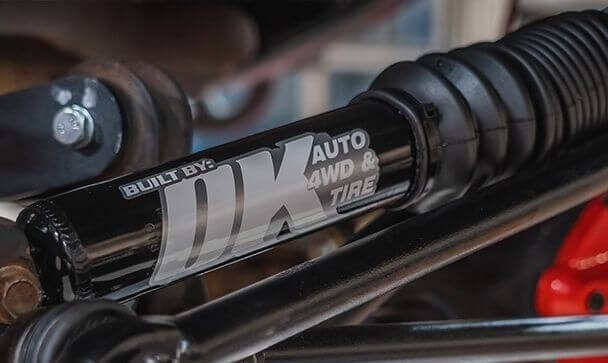
Replacing worn shocks or struts is essential for the safe and comfortable operation of any vehicle. Worn components can lead to decreased stability and longer stopping distances, increasing the risk of accidents. Additionally, new shocks and struts enhance ride comfort, making for a smoother driving experience.
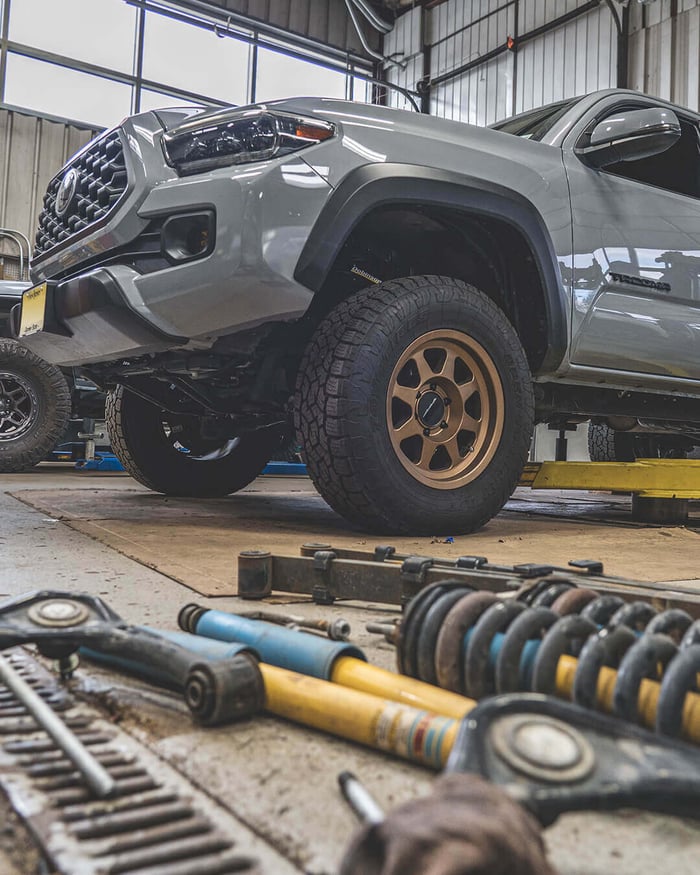
Shocks gradually degrade over time, leading many drivers to underestimate the importance of this crucial maintenance. Failure to maintain and replace shocks on your vehicle can result in loss of handling and control, longer stopping distances, uneven tire wear, and damage to other suspension parts.
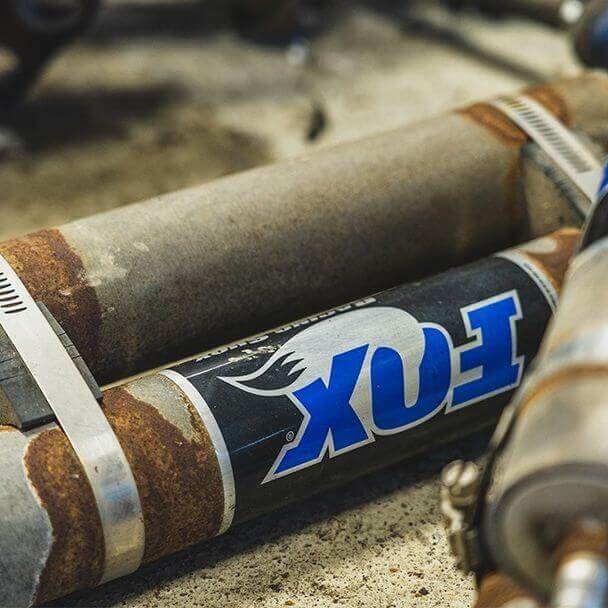
Shocks and struts should typically be replaced every 50,000 to 100,000 miles, but this may vary based on driving style, road conditions, and any warning signs that indicate a need for earlier replacement. It is recommended to have shocks and struts inspected every 12,500 miles or every time your vehicle is brough in for tire, brake, or alignment services.
Signs of Wear and Indicators of Necessary Replacement
Some signs that your shocks and struts need to be replaced include:
- A bumpy, bouncy or rough ride
- Leaking fluid on exterior of shocks/struts
- Uneven tire tread wear
- Instability when braking or turning including rolling or swaying when cornering
- Nose diving during heavy braking
- Wandering on the highway
- Rear squat during acceleration
- Vibration in steering wheel
- Unusual noises
Selecting the Right Shock
Shock performance is crucial for off-roading, as they ensure your vehicle's tires maintain contact with the ground, which is vital for optimal traction, stability, and control. Without effective shock absorption, your wheels may lose grip, increasing the risk of accidents and loss of control. Additionally, well-maintained shocks contribute to a more comfortable ride by absorbing bumps and vibrations encountered on rugged terrain. They also minimize wear and tear on your vehicle’s tires, suspension components, and chassis, ensuring a safer and more enjoyable experience for off-road enthusiasts.
When choosing shocks for off-roading, there are several options to consider in conjunction with the intended use of your vehicle. Let’s look at 3 different types of shocks and when we would recommend each one:
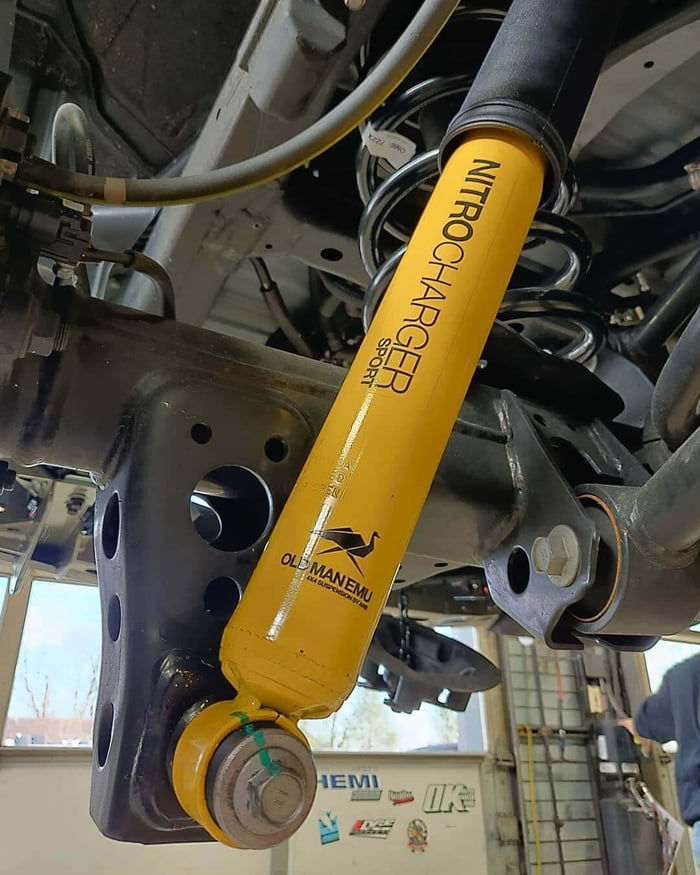
- Monotube shocks: These shocks have a single tube with a piston and a separate gas or oil chamber and are a popular choice for handling the demands of off-roading due to their superior heat dissipation and performance. They offer a balance between performance and comfort that is desirable when building an off-road vehicle. They are typically more expensive than other options on the market and due to the increased performance, they may be considered a stiff ride for someone who daily drives or commutes on paved roads. Examples of Monotube shocks are Old Man Emu Nitrochargers for lifted applications or Bilstein 5100s for a leveled truck.
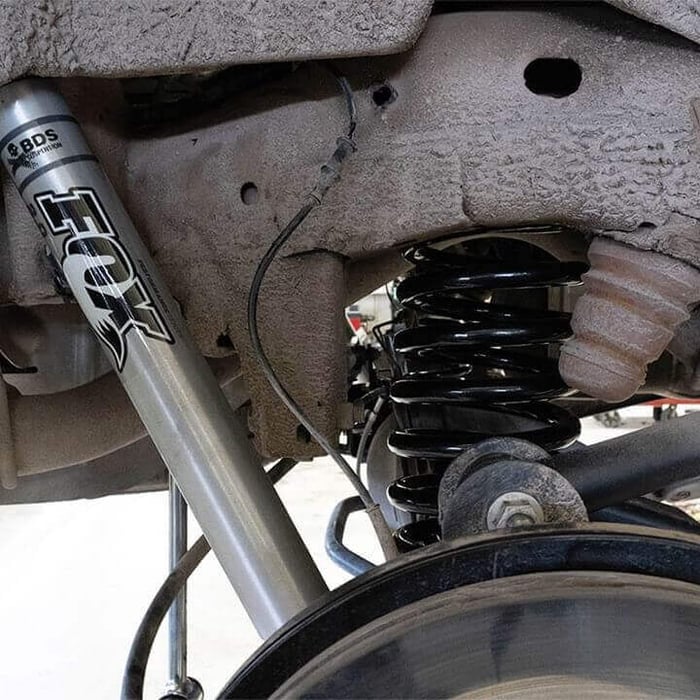
- Twin-tube shocks: These shocks have two chambers and are commonly found in factory 4x4 setups. This is a cost-effective option for those who occasionally venture onto dirt roads or light trails but do not require heavy duty performance. They can accommodate moderate off-road conditions without sacrificing comfort but can struggle with prolonged or aggressive driving and offer less stability. Examples of twin-tube shocks are Teraflex 9550s and JKS/Fox Performance Shocks.
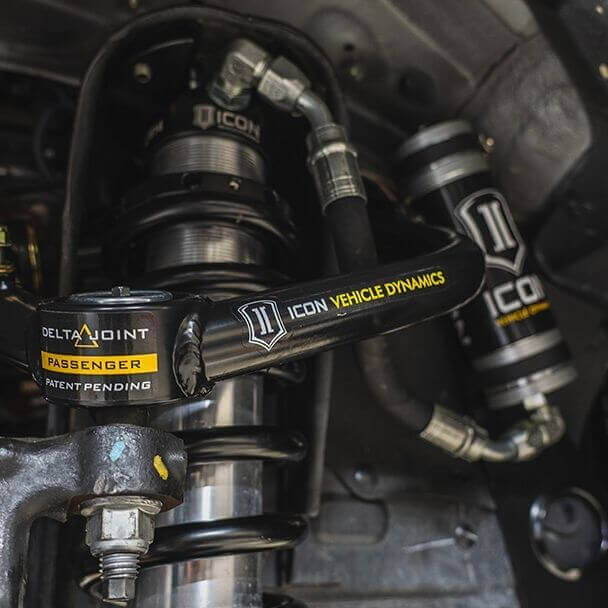
- Reservoir shocks: Also known as remote reservoir shocks, these shocks have a separate reservoir for additional oil or gas and are ideal for extreme off-roading. They can handle prolonged stress or heat build up while allowing for improved handling and stability. They also offer options for adjustability, making them ideal for drivers who want to fine-tune their suspension setup for different driving options. While a good choice for serious off-roading, this option is more costly, requires more maintenance, and may sacrifice some comfort in your ride. Examples of reservoir shocks are Eibach Coilovers and Icon Coilovers.
In summary, selecting the ideal shock absorber for your vehicle will directly impact your driving experience. To make an informed choice, consider how you plan to use your vehicle. Factors such as comfort, performance, handling, and the types of road conditions you’ll encounter play a significant role in this decision. By taking the time to assess these elements, you can optimize your vehicle’s suspension system to suit your specific needs, ensuring a more enjoyable ride.