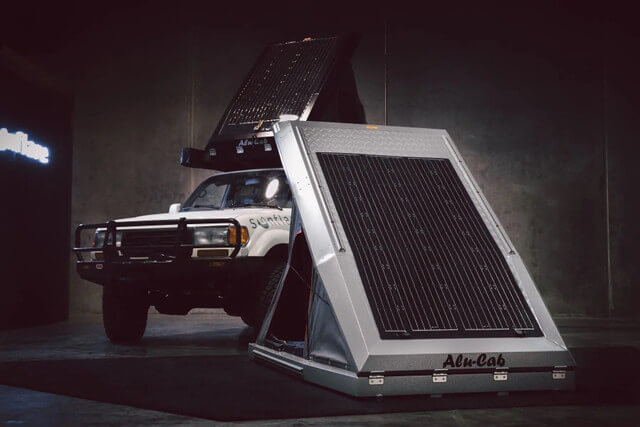
One of the most common inquiries we receive revolves around setting up an auxiliary power systems for vehicles. Many ask, "How can I run a refrigerator, lights, and keep my devices charged through my vehicle?" Incorporating a solar energy system allows you to maintain power even when your vehicle is off. Since everyone's power needs vary, we're here to assist you in customizing a power setup that suits your needs. Thankfully, powering these essentials with your vehicle, especially while it's running, is more straightforward than it may seem at first glance.
Let's start with the solar panels for capturing sunlight and turning it into energy to power our devices. Solar panels are quite common and most people easily recognize them, but not all panels are the same nor do all panels work with a vehicle's auxiliary power system. There are a number of factors to consider when choosing the right Solar panels.
CIGS Solar Panels vs Glass Solar Panels
Our go-to solar brands are Sunflare and REDARC. Both brands allow us to offer solar panels that vary in size, voltage, and wattage. The two primary types of panels for vehicles include glass panels by REDARC and CIGS (Copper Indium Gallium Selenide) panels by SunFlare. Each type offers its own set of pros and cons.
Sunflare's CIGS panels are thin, durable, and flexible, making them easy to install without any bulky frames or housing. These durable 1.7mm thick panels adhere to surfaces like tent roofs and campers using strong adhesives, making them a permanent fixture that one can even stand on! However the tradeoff with this flexibility is lower power generation.
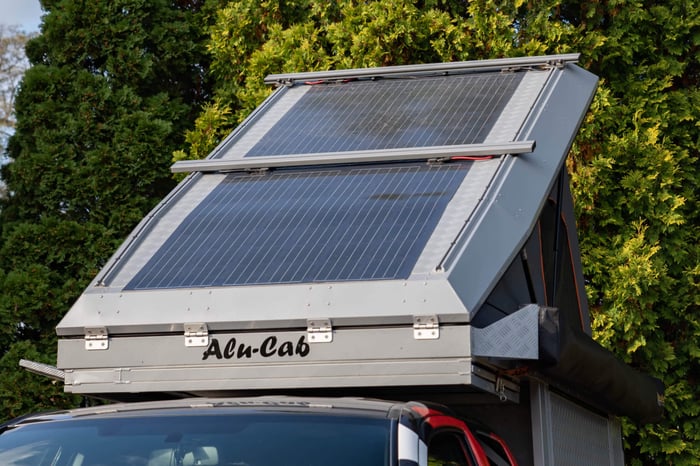
For increased power generation REDARC's more traditional glass panels are a better fit but are heavier and more fragile. These panels require permanent mounting points such as load bars or roof channels though these panels can be still be mounted using adhesive and without hardware or tools. In our experience, we have found some great products for mounting solar panels, such as GP Factors Solar Mounting Bracket.

Preparing your Vehicle for Solar
When embarking on the installation of a solar panel system for an auxiliary setup, the journey begins with a crucial step: determining the wattage capacity that your system can manage. This assessment lays the groundwork for a solar setup that is both efficient and tailored to your specific needs. It's essential to have a clear understanding of the maximum watts your auxiliary system can accommodate to ensure optimal performance and avoid overloading the system.
Once you've established the wattage your system can handle, the next phase is to meticulously plan the placement of your solar panels. The objective here is to identify a flat surface area that not only has ample space to accommodate your panels but also benefits from strong sun exposure throughout the day. Proper placement is vital for maximizing the efficiency of your solar panels. By assessing the available surface area on your vehicle and the sun exposure it receives, you'll gain insight into the number and size of the panels that can be feasibly installed, ensuring a seamless fit and optimal energy capture.
Finally, make sure that you delve into the specifics of your vehicle's battery power and voltage. Solar panels come in a variety of voltages, and selecting the appropriate electrical management system that aligns with your panels is critical for seamless operation. This analysis ensures that the energy harnessed by your solar panels is effectively converted and stored, optimizing the performance of your auxiliary system. The compatibility between your vehicle’s battery specs and the solar panels' voltage is the foundation for achieving a successful and efficient solar power system.
A Primer on Electrical Management Systems
Next, we'll review the electrical management system for your auxiliary power system. This device manages the power from your solar panels and vehicle alternator, ensuring it's correctly transferred to your battery. In simple terms, you need a device such as a REDARC BCDC that can pull power from multiple sources, balancing the solar panels with the vehicle alternator, to ensure the power is correctly transferred to the battery. These systems standardize the different voltages and currents to deliver a steady charge to the battery. A key consideration is that the controller operates within the ratings of your components, vehicles alternator, and your usage output.
Choosing the Right Battery
The Battery is next on the to-do list when building your auxiliary power system as you need a way to store the generated power for later use. Battery capacity is measured in amp-hours(Ah) which is the amount of current it can supply for one hour. The size of the battery is determined by what you want to power and for how long you want to power it without the battery needing to be replenished. Figuring out how many Amp Hours your auxiliary power systems requires can be determined by analyzing the power requirements of the products you plan intend to run while the vehicle is off. Each product manual, such as for your fridge, will list how many amp hours are required to maintain the product. Another important but overlooked consideration for battery size are the storage constraints of your vehicle.
There are different types of batteries for 12-volt systems such as flooded or sealed lead acid, absorbent glass mat(AGM), Gel, Lithium Ion, and Lithium Iron Phosphate(LiFePO4/LFP). Lithium batteries, such as Deep Cycle Systems (DCS) batteries or AntiGravity batteries have more capacity for their size and are the most preferred for auxiliary power. Lithium batteries can outlast an AGM battery 6x longer. However, a disadvantage of a lithium battery is that they tend to work less efficiently or not at all in extremely cold environments. Keep this in mind if you live or want to use a Lithium battery in a colder region. If you your situation necessitates a lithium ion battery, thankfully there are lithium batteries with built-in heaters.
The Inverter
The next item on your list is choosing an Inverter. Inverters allow you to power and charge AC household items such as phone chargers, computers, and blenders using your vehicle as a power source by converting your vehicle's DC current to AC power. If you absolutely need AC power, then inverters are a necessity though many devices now run on DC or USB power, which can be more efficient since inverters also use power when they are turned on. Situations that call for an inverter are running appliances such as microwaves that will only charge with an AC outlet or powering portions of your home in the event of a power outage. You need to be certain that the wattage size and sign wave of your inverter match your requirements.

Still feeling Overwhelmed?
For those overwhelmed by solar setup, consider an all-in-one power box like the Dometic PLB40. These systems simplify the process, offering an easy-to-use power source for outdoor activities without the need for extensive wiring or mounting. To that end, the Dometic PLB40 has everything except a power input to replenish the battery. After charging the power box ahead of time, you can take it to the lake, beach, or campsite easily.
If you do want to charge the power box while on the road, you can run the solar input wires to many of these boxes or connect them up to a 12V plug. Keep in mind that the time to replenish these all-in-one systems is slow. They are a very simple and portable solution however the capacity of the batteries and inverter size are limited. Additionally, if one component goes bad the entire box may turn into a pricey paperweight. Additionally, many power boxes require proprietary cords and or chargers.
To Sum Up
Setting up an auxiliary power system in your vehicle to run essential devices such as refrigerators, lights, and charge your gadgets through solar energy is a feasible and sustainable approach. The journey to achieving a reliable and efficient system involves several key steps, including choosing the right type of solar panels, preparing your vehicle for solar, understanding your vehicle's battery power and voltage requirements, selecting an appropriate electrical management system, and choosing the right battery and inverter for your needs. Each component plays a critical role in ensuring the smooth operation of your auxiliary power system, and understanding the specifics of these components is essential for a successful installation. Whether you opt for the flexibility of CIGS panels, the power generation capabilities of glass panels, or the convenience of an all-in-one power box like the Dometic PLB40, the ultimate goal is to create a system that meets your unique power needs while on the move. Remember, while the process may seem daunting at first, the freedom and peace of mind that come with having a self-sufficient power source for your adventures are well worth the effort. With careful planning, the right equipment, and a bit of technical know-how, you can transform your vehicle into a hub of energy independence, ready to tackle any adventure that comes your way.